The ocean has long served as cinema’s most mysterious and formidable backdrop, housing creatures that both fascinate and terrify audiences. Among the notable marine films of the 1970s, Movie Orca stands as a unique entry that deserves recognition beyond its initial reception. This Orca 1977 production offers more than just another creature feature. It presents a complex narrative about intelligence, revenge, and the consequences of human interference with nature.
Movie Orca, officially titled “Orca: The Killer Whale,” emerged during Hollywood’s fascination with marine life following the massive success of Jaws two years earlier. However, dismissing this film as merely another shark movie knockoff would be a significant oversight. The killer whale movie distinguished itself through its sophisticated approach to marine life, presenting the titular creature not as a mindless predator but as an intelligent being capable of complex emotions and strategic thinking.
Essential Details: Movie Orca Overview
| Aspect | Details |
| Release Year | 1977 |
| Director | Michael Anderson |
| Producer | Dino De Laurentiis |
| Lead Actor | Richard Harris as Captain Nolan |
| Supporting Cast | Charlotte Rampling, Bo Derek, Will Sampson |
| Composer | Ennio Morricone |
| Runtime | 92 minutes |
| Genre | Adventure, Drama, Thriller |
| Key Themes | • Whale intelligence and emotional capacity• Revenge and justice in nature• Human exploitation of marine life• Whale-human conflict consequences |
| Budget | $6 million |
| Box Office | $14.7 million worldwide |
The film’s production pedigree immediately signals its ambitions beyond typical B-movie fare. Michael Anderson, who directed “Around the World in 80 Days” and “The Dam Busters,” brought serious filmmaking credentials to the project. Meanwhile, Dino De Laurentiis, fresh from producing “King Kong” (1976), understood the commercial potential of creature features while maintaining production values that elevated the material.
Richard Harris Orca performance serves as the emotional anchor of the film. Harris, known for his intense dramatic roles in “A Man Called Horse” and “The Field,” approached Captain Nolan with the depth typically reserved for classical tragedies. His character represents the archetype of the tormented sea captain, reminiscent of literature’s Captain Ahab, yet with crucial differences that define the film’s unique perspective.
The story centers on Captain Nolan’s fateful encounter with a pod of orcas while attempting to capture marine specimens for profit. This seemingly straightforward premise evolves into something far more complex when Nolan accidentally kills a pregnant female orca, setting in motion a chain of events that explores themes of whale vengeance and natural justice. The surviving male orca, displaying remarkable whale intelligence, begins a calculated campaign against Nolan and his crew.
What distinguishes Movie Orca from other marine thrillers is its commitment to portraying orca behavior with scientific accuracy. The film incorporates genuine knowledge about whale communication, whale monogamy, and whale pod dynamics. These creatures, scientifically known as Orca Orcinus, are presented as highly intelligent mammals capable of complex social relationships and emotional responses—a portrayal that was remarkably progressive for 1970s cinema.
Ennio Morricone’s haunting score deserves particular recognition as one of the film’s strongest elements. The legendary composer, known for his work on Sergio Leone’s westerns, created a musical landscape that captures both the majesty of oceanic life and the tragedy of the central conflict. His compositions alternate between serene melodies that accompany scenes of whales in their natural habitat and tense, dramatic themes that underscore the mounting tension between human and cetacean protagonists.
The film’s approach to marine biology reflects a growing environmental consciousness that was emerging in the 1970s. Rather than presenting the ocean as humanity’s domain to exploit, Movie Orca suggests a more complex relationship where marine ecosystems deserve respect and understanding. This environmental message, while not always subtle, provides the narrative with philosophical weight that elevates it above simple entertainment.
Charlotte Rampling’s role as marine biologist Rachel Bedford serves multiple narrative functions. Her character provides scientific exposition about whale behavior while representing the voice of environmental responsibility. Through her expertise, audiences learn about whale songs, migration patterns, and the sophisticated social structures that govern whale communities. This educational component distinguishes the film from purely sensationalist creature features.
The casting of Will Sampson as Jacob Umilak, a Native American fisherman, adds another layer to the film’s exploration of humanity’s relationship with nature. Sampson, known for “One Flew Over the Cuckoo’s Nest,” brings gravitas to scenes discussing traditional knowledge about marine life and the spiritual significance of whales in indigenous cultures.
Movie Orca also benefits from impressive practical effects and cinematography that capture the power and grace of its titular creatures. The film’s technical team worked extensively with marine life footage and mechanical effects to create convincing interactions between human actors and killer whales. These production elements, while showing their age by contemporary standards, demonstrate the filmmakers’ commitment to creating a believable aquatic world.
The movie’s exploration of whale-human conflict proves remarkably prescient given contemporary discussions about whale conservation and human impact on marine ecosystems. Modern audiences viewing the film may find parallels with current debates about whale hunting, ocean pollution, and climate change’s effects on cetacean populations.
Understanding Movie Orca requires recognizing its place within 1970s cinema’s broader engagement with environmental themes. The decade produced numerous films questioning humanity’s relationship with nature, from “Silent Running” to “The China Syndrome.” Within this context, the killer whale movie represents both entertainment and social commentary, using the thriller format to explore serious ecological concerns.
As we prepare to examine this fascinating film in greater detail, it becomes clear that Movie Orca deserves recognition as more than a curiosity from the creature feature era. Its sophisticated treatment of whale intelligence, compelling performances, and environmental themes create a viewing experience that rewards serious analysis while delivering the excitement audiences expect from marine adventure cinema.
Beneath the Surface: Character Development and Emotional Depth
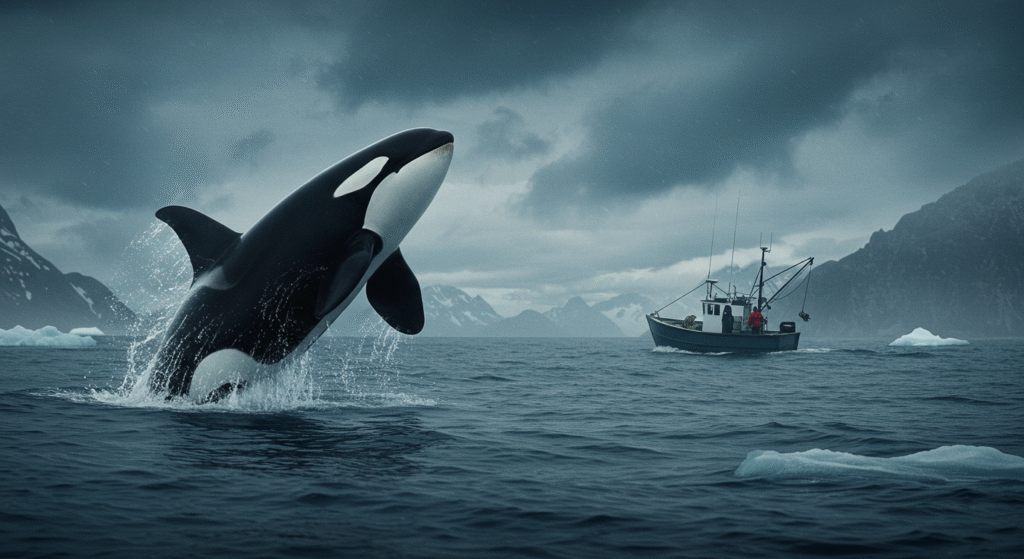
The true strength of Movie Orca lies not in its spectacular whale sequences, but in the profound character development that drives its narrative forward. Richard Harris Orca portrayal of Captain Nolan presents a complex protagonist whose journey from profit-driven hunter to tormented soul creates the film’s emotional foundation. Unlike typical creature features where humans serve merely as victims, this killer whale movie invests deeply in exploring the psychological consequences of environmental exploitation.
Captain Nolan’s character arc begins with straightforward economic motivation. He seeks to capture an orca specimen to sell to marine parks, viewing these intelligent creatures merely as commodities. However, the accidental killing of the pregnant female whale triggers a transformation that Harris conveys with remarkable subtlety. The actor’s performance reveals layers of guilt, fear, and eventual understanding as Nolan confronts the magnitude of his actions against marine life.
The film’s exploration of whale intelligence proves particularly sophisticated for its era. Rather than presenting orcas as mere animals acting on instinct, Movie Orca portrays them as beings capable of grief, strategic planning, and complex emotional responses. The male orca’s calculated pursuit of revenge demonstrates cognitive abilities that the scientific community was only beginning to understand in the 1970s. This portrayal aligns with modern research showing that Orca Orcinus possess self-awareness, cultural transmission, and emotional depth comparable to higher primates.
The Science Behind Whale Intelligence
Contemporary marine biology supports many of the behavioral traits depicted in Movie Orca. Whale communication systems involve sophisticated vocalizations that serve multiple purposes, from coordinating hunts to maintaining family bonds across vast ocean distances. The film’s portrayal of whale monogamy reflects accurate scientific understanding of orca social structures, where pairs often mate for life and maintain strong family units.
Whale pod dynamics play a crucial role in the narrative, with the deceased female’s family members supporting the male’s quest for justice. This collective response mirrors documented orca behavior where pods will protect injured members and demonstrate what researchers interpret as mourning rituals. The film’s emphasis on these social bonds elevates the story beyond simple whale attacks into a meditation on loss and community support.
The environmental message woven throughout Movie Orca reflects growing ecological awareness that characterized 1970s cinema. Michael Anderson’s direction presents the marine ecosystem as a complex web of relationships that humans disturb at their peril. Unlike films that portray nature as humanity’s adversary, this production suggests that whale-human conflict results from human misunderstanding and exploitation rather than inherent animal aggression.
Musical Mastery: Ennio Morricone’s Oceanic Symphony
Ennio Morricone’s contribution to Movie Orca deserves recognition as one of cinema’s most effective scores for marine-themed films. The composer’s approach differs dramatically from the terror-inducing themes typically associated with creature features. Instead, Morricone creates musical landscapes that capture both the majesty of oceanic life and the tragedy of the central conflict.
The main theme associated with the whale family conveys serenity and natural beauty, featuring Edda Dell’Orso’s ethereal vocals that seem to echo whale songs themselves. This musical choice establishes the orcas as noble creatures deserving respect rather than fear. When contrasted with the harsh, mechanical sounds associated with human activities, the score reinforces the film’s environmental themes.
Morricone’s ability to musically represent whale behavior proves particularly impressive. The composer uses different instrumental combinations to suggest various emotional states within the orca community. Gentle string passages accompany scenes of whale family interaction, while dramatic percussion and brass underscore moments of whale vengeance. This sophisticated approach to scoring demonstrates how music can enhance storytelling about marine life without resorting to simplistic fear tactics.
Production Values and Technical Achievement
Dino De Laurentiis’s production brought significant resources to bear on creating convincing whale sequences. The team combined live-action footage of actual orcas with mechanical effects and skilled editing to create believable interactions between human actors and their cetacean counterparts. These technical achievements, while modest by contemporary standards, demonstrate serious commitment to portraying whale behavior accurately.
The film’s cinematography captures both the power and grace of marine life in their natural habitat. Underwater sequences reveal the orcas’ impressive size and agility while establishing the vast, three-dimensional environment they inhabit. These visual elements support the narrative’s emphasis on whale intelligence by showing creatures perfectly adapted to their oceanic domain.
Location shooting in Newfoundland waters adds authenticity to the marine ecosystem portrayed in the film. The cold, dramatic seascape provides an appropriate backdrop for the escalating conflict between human exploitation and natural justice. These environmental elements reinforce the story’s themes about respecting oceanic life and understanding humanity’s place within larger ecological systems.
Character Analysis: Beyond Human Protagonists
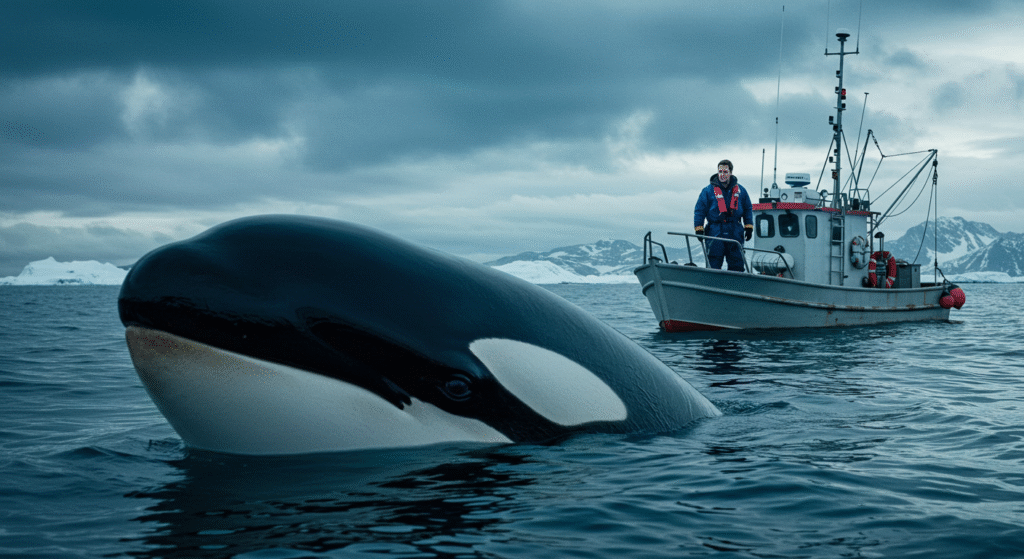
Charlotte Rampling’s Rachel Bedford serves as the film’s scientific conscience, providing exposition about whale behavior while representing environmental responsibility. Her character bridges the gap between scientific knowledge and emotional understanding, helping audiences appreciate the complexity of marine biology beyond simple fear responses. Rampling’s performance conveys genuine respect for whale intelligence while maintaining credibility as a marine researcher.
The supporting cast, including Bo Derek as Annie and Will Sampson as Jacob Umilak, contributes additional perspectives on humanity’s relationship with marine life. Derek’s character experiences the physical consequences of the whale-human conflict, while Sampson’s indigenous fisherman provides traditional ecological knowledge that complements scientific understanding. These multiple viewpoints create a richer exploration of environmental themes than typical creature features achieve.
The orca itself functions as a fully realized character rather than mere plot device. The male whale’s journey from contentment through grief to calculated revenge creates a character arc as compelling as any human protagonist. This sophisticated treatment of animal psychology distinguishes Movie Orca from films that present marine life as mindless threats or passive victims.
Environmental Themes and Cultural Impact
Movie Orca arrived during a period of growing environmental consciousness, contributing to public discourse about whale conservation and marine ecosystem protection. The film’s portrayal of intelligent, emotional whales challenged audiences to reconsider their relationship with oceanic life. This environmental message proves remarkably prescient given contemporary concerns about climate change, ocean pollution, and declining whale populations.
The cultural impact of Orca’s environmental message extends beyond entertainment into education. The film’s emphasis on whale intelligence and complex social structures helped popularize scientific understanding of cetacean cognition. Modern research confirming sophisticated whale communication systems and cultural transmission within orca pods validates many of the behavioral traits depicted in the movie.
Whale mythology and spiritual traditions inform the film’s deeper meanings, particularly through Will Sampson’s character. Indigenous perspectives on marine life as spiritual beings deserving respect provide philosophical context for the narrative’s environmental themes. This multicultural approach to understanding whales enriches the story beyond Western scientific perspectives alone.
The film’s exploration of whale hunting practices and their consequences resonates with contemporary debates about commercial whaling, marine park captivity, and ocean conservation. Movie Orca presents these issues through dramatic storytelling rather than documentary exposition, potentially reaching audiences who might not engage with purely educational content about marine biology.
Through its sophisticated character development, environmental themes, and respect for whale intelligence, Movie Orca establishes itself as more than typical 1970s creature feature entertainment. The film’s commitment to portraying both human and cetacean characters with psychological depth creates a viewing experience that rewards serious analysis while delivering the excitement audiences expect from marine adventure cinema.
Cultural Legacy and Critical Reception of the Movie Orca

The Jaws Comparison: Setting the Record Straight
The most persistent criticism leveled against Movie Orca involves unfavorable comparisons to Steven Spielberg’s blockbuster “Jaws.” However, this Jaws comparison oversimplifies both films and fails to recognize their fundamental differences in approach, theme, and execution. While “Jaws” positioned its shark as a mindless predator terrorizing a beach community, Orca’s comparison to Jaws reveals a more nuanced exploration of whale-human conflict and environmental responsibility.
Movie Orca deliberately inverts the traditional monster movie formula by presenting its titular creature as the sympathetic protagonist. Unlike the great white shark in “Jaws,” which remains an enigmatic force of nature, the orca displays clear motivations, emotional depth, and strategic intelligence. This fundamental difference in characterization creates distinct viewing experiences despite superficial similarities in their marine settings.
The timing of both films’ releases inevitably invited comparison, with Orca 1977 arriving just two years after “Jaws” dominated the box office. Dino De Laurentiis openly acknowledged his desire to create a marine thriller that could compete with Spielberg’s success. However, the resulting killer whale movie developed its own identity through superior character development and environmental themes that “Jaws” largely avoided.
Critics who dismissed Movie Orca as a mere imitation missed its sophisticated treatment of marine biology and whale intelligence. While “Jaws” focused on human survival against a predatory threat, Movie Orca examined the consequences of human interference with marine ecosystems. This thematic complexity elevates the film beyond simple creature feature entertainment into meaningful environmental commentary.
Cultural Impact on Marine Conservation
Orca’s cultural impact extended far beyond box office receipts, contributing to growing public awareness about whale conservation and marine life protection. The film’s portrayal of whale intelligence and emotional capacity helped humanize these creatures in ways that scientific publications could not achieve with general audiences. This educational component proved particularly valuable during an era when public understanding of cetacean cognition remained limited.
The movie’s emphasis on whale communication and whale pod dynamics introduced mainstream audiences to concepts that marine biologists were still exploring. Movie Orca presented these scientific ideas through dramatic storytelling, making complex behavioral research accessible to viewers who might never encounter academic studies about Orca Orcinus intelligence and social structures.
Environmental organizations recognized the film’s potential to influence public opinion about whale hunting and marine park captivity. The tragic portrayal of family separation and whale vengeance resonated with activists seeking to change policies regarding cetacean exploitation. This cultural influence contributed to broader movements that would eventually restrict commercial whaling and improve conditions for captive marine life.
Impact on Marine Biology Education
Marine educators found Movie Orca useful for introducing students to concepts about oceanic life and whale behavior. Despite its dramatic liberties, the film accurately portrayed many aspects of orca social organization, including whale monogamy, family bonds, and communication patterns. These educational elements distinguished the movie from purely sensationalist creature features that prioritized thrills over scientific accuracy.
The film’s respectful treatment of indigenous knowledge, particularly through Will Sampson’s character, highlighted traditional ecological understanding of marine ecosystems. This multicultural approach to whale mythology and spiritual connections with oceanic life provided broader context for environmental themes while acknowledging diverse perspectives on human-nature relationships.
Movie Orca also influenced subsequent marine-themed entertainment, establishing precedents for portraying aquatic creatures as complex characters rather than simple antagonists. This legacy appears in later films and documentaries that emphasize whale intelligence and environmental conservation over fear-based narratives about dangerous sea creatures.
Understanding Movie Ratings and Viewing Guidelines
Can I Take My 14-Year-Old to See a 15 Film?
Age-appropriate viewing represents a common concern for parents considering Movie Orca for family entertainment. The film received a PG rating in the United States, making it suitable for general audiences with parental guidance suggested. However, several scenes contain intense violence and disturbing imagery that may concern sensitive viewers.
The most challenging sequence involves the death of the pregnant whale and the graphic depiction of her unborn calf. This scene, while serving important narrative purposes about the consequences of whale hunting, may upset younger viewers or those uncomfortable with animal suffering. Parents should consider their children’s sensitivity to such content when deciding whether Movie Orca is appropriate for family viewing.
Rating systems vary by country, and films classified as suitable for 15-year-olds in some regions might receive different ratings elsewhere. The key lies in understanding the specific content rather than relying solely on rating classifications. Movie Orca contains violence, brief strong language, and themes about revenge that parents should evaluate based on their family’s values and viewing preferences.
What Questions to Ask While Watching a Movie?
Engaging actively with Movie Orca enhances the viewing experience and promotes deeper understanding of its environmental themes. Consider these analytical questions during your viewing:
Character Development Questions:
- How does Captain Nolan’s attitude toward marine life change throughout the film?
- What motivates the orca’s pursuit of revenge, and how does this differ from typical monster movie antagonists?
- How do scientific and indigenous perspectives on whale intelligence complement each other in the narrative?
Environmental Analysis:
- What does the film suggest about humanity’s relationship with marine ecosystems?
- How does Movie Orca portray the consequences of treating whales as commodities rather than intelligent beings?
- What parallels exist between the film’s themes and contemporary whale conservation efforts?
Technical Appreciation:
- How does Ennio Morricone’s score enhance the emotional impact of whale scenes?
- What techniques do the filmmakers use to create sympathy for the orca character?
- How do the practical effects and cinematography support the story’s environmental message?
What to Ask at a Film Q&A?
Film discussion sessions about Movie Orca provide opportunities to explore its themes and cultural significance. Consider these substantive questions for academic or community screenings:
Production Insights:
- How did the filmmakers balance entertainment value with environmental education?
- What challenges did the production face in depicting realistic whale behavior?
- How did Richard Harris approach playing a character who transforms from exploiter to victim?
Cultural Context:
- How does Movie Orca reflect 1970s environmental consciousness?
- What influence did the film have on public attitudes toward whale conservation?
- How do indigenous perspectives on marine life contribute to the film’s thematic depth?
Contemporary Relevance:
- What aspects of the film’s environmental message remain relevant today?
- How has scientific understanding of whale intelligence evolved since the film’s release?
- What lessons does Movie Orca offer for current debates about marine ecosystem protection?
Legal Considerations for Movie Access
Is the Movie Box App Illegal?
While Movie Orca remains available through legitimate streaming services and physical media, some viewers may encounter unauthorized distribution platforms. Movie box applications and similar services often operate in legal gray areas or violate copyright laws outright. These platforms typically offer access to copyrighted content without proper licensing agreements.
Legitimate viewing options for Movie Orca include established streaming services, video rental platforms, and authorized retailers selling physical media. These legal alternatives ensure that creators, distributors, and copyright holders receive appropriate compensation for their work. Supporting legitimate distribution also helps preserve classic films like Movie Orca for future generations.
Copyright law protects films regardless of their age, and unauthorized distribution remains illegal in most jurisdictions. Viewers seeking access to Movie Orca should verify that their chosen platform operates with proper licensing agreements. This approach protects consumers from legal consequences while supporting the entertainment industry’s ability to fund future productions.
Modern Relevance and Environmental Urgency
Contemporary audiences viewing Movie Orca will find its environmental themes more urgent than ever. Climate change, ocean pollution, and declining whale populations have made marine conservation a critical global priority. The film’s prescient warning about the consequences of exploiting oceanic life resonates powerfully with current environmental crises.
Recent research has vindicated many of the film’s claims about whale intelligence and emotional capacity. Scientists now recognize that Orca Orcinus possess sophisticated cultures, teaching behaviors, and grief responses similar to those portrayed in Movie Orca. This scientific validation enhances the film’s credibility while highlighting the importance of respecting marine life.
The movie’s exploration of whale-human conflict proves particularly relevant as human activities increasingly impact marine ecosystems. Shipping traffic, industrial fishing, and climate change create new forms of conflict between human economic interests and whale survival. Movie Orca provides a framework for understanding these complex relationships and their potential consequences.
Through its enduring cultural influence, environmental themes, and sophisticated character development, Movie Orca has earned recognition as more than a period curiosity. The film’s commitment to portraying whale intelligence with respect and accuracy continues to educate audiences about the complexity of marine life while entertaining them with compelling drama. Modern viewers will find its environmental message more relevant than ever, making Movie Orca essential viewing for anyone interested in the intersection of entertainment and environmental consciousness.
Final Thoughts: The Enduring Legacy of Movie Orca
Movie Orca deserves recognition as more than a footnote in 1970s creature feature history. This killer whale movie transcends its era through sophisticated character development, environmental consciousness, and respect for marine life that feels remarkably contemporary. Richard Harris’s nuanced performance as Captain Nolan and Ennio Morricone’s haunting score elevate the material beyond typical B-movie expectations.
The film’s greatest achievement lies in its portrayal of whale intelligence and emotional depth. By presenting the orca as a fully realized character capable of grief, revenge, and strategic thinking, the movie challenged audiences to reconsider their relationship with marine ecosystems. This perspective proved ahead of its time, anticipating scientific discoveries about cetacean cognition that wouldn’t be widely accepted until decades later.
Movie Orca’s environmental message resonates powerfully with contemporary concerns about whale conservation and ocean protection. The film’s warning about the consequences of exploiting marine life for profit speaks directly to current debates about commercial fishing, marine park captivity, and climate change impacts on oceanic life. These themes make the movie essential viewing for anyone interested in environmental cinema.
The cultural impact of Movie Orca extends beyond entertainment into education and advocacy. The film helped popularize scientific understanding of whale communication, whale pod dynamics, and the complex social structures governing orca communities. This educational component distinguishes it from purely sensationalist creature features while maintaining the excitement that audiences expect from marine adventure stories.
Modern viewers will find Movie Orca offers both historical perspective and contemporary relevance. The film captures a pivotal moment when environmental consciousness was emerging in mainstream cinema, while its themes about whale-human conflict remain urgently relevant today. Dino De Laurentiis’s production and Michael Anderson’s direction created a work that succeeds both as entertainment and as meaningful commentary on humanity’s relationship with nature.
Movie Orca stands as proof that B-movies can achieve artistic and cultural significance when they combine compelling storytelling with important themes. The film’s commitment to portraying marine life with dignity and intelligence creates a viewing experience that rewards serious analysis while delivering the thrills audiences expect. For those seeking intelligent creature features that respect both their subjects and their audiences, Movie Orca remains an essential classic worth rediscovering.
Frequently Asked Questions About Movie Orca
Is Movie Orca Available on Legal Streaming Platforms?
Yes, Movie Orca is available through several legitimate streaming services and digital rental platforms. The 1977 film can be found on Amazon Prime Video, Apple TV, and Google Play Movies. Physical copies remain available through authorized retailers, ensuring you can enjoy this killer whale movie while supporting copyright holders and the film industry.
What Age Rating Does Movie Orca Have?
Movie Orca received a PG rating in the United States, making it suitable for general audiences with parental guidance. However, the film contains intense scenes involving whale attacks and the graphic death of a pregnant orca. Parents should consider whether children can handle these emotionally challenging sequences before viewing.
How Does Movie Orca Compare to Jaws?
While both films feature marine creatures, Movie Orca differs significantly from Jaws in its approach. The Orca 1977 production presents its titular whale as an intelligent, sympathetic character seeking justice, rather than a mindless predator. This fundamental difference makes Movie Orca more of an environmental drama than a traditional creature feature.
What Questions Should I Consider While Watching Movie Orca?
When viewing Movie Orca, consider these analytical questions: How does the film portray whale intelligence and emotional capacity? What environmental messages does it convey about marine conservation? How do Richard Harris’s character development and Ennio Morricone’s score contribute to the storytelling? These questions will enhance your appreciation of the film’s deeper themes.
Is the Movie Box App Legal for Watching Films?
Movie box applications often operate without proper licensing agreements, making them potentially illegal. For Movie Orca and other copyrighted content, stick to legitimate platforms like Netflix, Amazon Prime, or authorized rental services. These legal options protect you from copyright infringement while supporting the entertainment industry.
What Makes Movie Orca Relevant Today?
Movie Orca’s environmental themes remain strikingly relevant in our current climate crisis. The film’s portrayal of whale-human conflict and marine ecosystem disruption mirrors contemporary concerns about ocean pollution, climate change, and whale conservation. Modern research has validated many of the film’s claims about Orca Orcinus intelligence and emotional capacity.