The entertainment world was shaken when allegations surrounding Gia Giudice school drama first emerged, casting a spotlight on the daughter of Real Housewives of New Jersey star Teresa Giudice. What began as whispered rumors quickly escalated into a full-blown controversy that would challenge everything fans thought they knew about the 23-year-old aspiring lawyer and her academic journey at Rutgers University.
| Key Facts Overview | Details |
| Main Figure | Gia Giudice, daughter of Teresa Giudice from RHONJ |
| Institution Involved | Rutgers University |
| Primary Allegations | Academic misconduct and plagiarism scandal |
| Timeline | Controversy peaked in 2023-2024 |
| Related Parties | Riley Burruss, Casual Chaos podcast, Bravo TV |
| Current Status | Ongoing investigation and clarification efforts |
The controversy surrounding Gia Giudice represents more than just another celebrity scandal. It highlights the complex intersection of reality television fame, academic integrity, and the pressures faced by children growing up in the public eye. As the eldest daughter of one of Bravo’s most recognizable personalities, Gia has navigated life under constant scrutiny since her childhood appearances on Real Housewives of New Jersey.
The Foundation of the Controversy
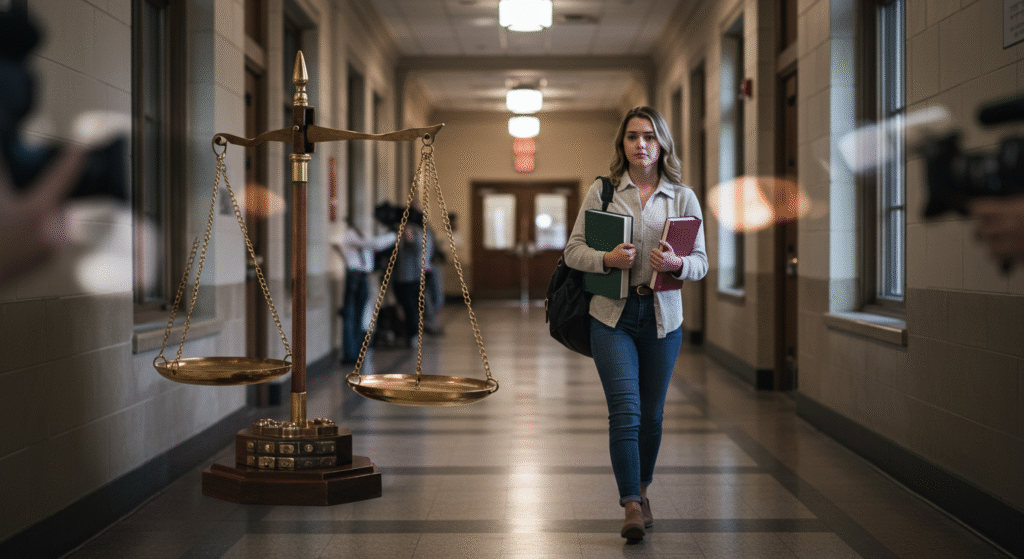
The Gia Giudice school drama didn’t emerge from nowhere. Years of building tension, academic pressures, and the unique challenges of being a reality TV offspring created the perfect storm for controversy. At Rutgers University, where Gia pursued her studies in criminal justice, questions began arising about her academic work and the authenticity of her achievements.
What makes this situation particularly complex is the intersection of multiple factors that contributed to the drama. Gia’s high-profile family background, her involvement in various Bravo productions including Next Gen NYC, and her ambitious plans to attend law school all played roles in amplifying the scrutiny she faced. The allegations of academic misconduct didn’t just threaten her educational future but also cast shadows over her family’s reputation and her own aspirations in the legal field.
The Reality TV Connection

Understanding the Gia Giudice school drama requires acknowledging the unique pressures that come with being part of the Real Housewives franchise. Since appearing on RHONJ as a child, Gia has grown up with cameras documenting her family’s most intimate moments, including her father Joe Giudice’s legal troubles and her parents’ eventual divorce. This constant exposure created expectations and pressures that most college students never experience.
The involvement of other reality TV personalities, particularly Riley Burruss from the Kandi Burruss family, added another layer of complexity to the situation. Their interactions on various Bravo productions, including podcasts and special episodes, created a web of relationships that would later become central to understanding how the controversy unfolded.
Academic Integrity in the Spotlight

The core of the Gia Giudice school drama centers on questions of academic integrity and allegations of plagiarism. These accusations struck at the heart of Gia’s credibility as she prepared for law school admission. The legal profession demands the highest standards of ethical conduct, making any questions about academic honesty particularly damaging for someone with aspirations in law.
Reports suggested involvement of ghostwriting services, raising questions about the authenticity of academic work submitted during her time at Rutgers University. These allegations, whether proven or not, highlighted the broader issues facing students who balance high-profile careers with academic pursuits. The scandal also brought attention to the resources and advantages available to celebrity children, sparking debates about fairness and equal access in higher education.
The Ripple Effects
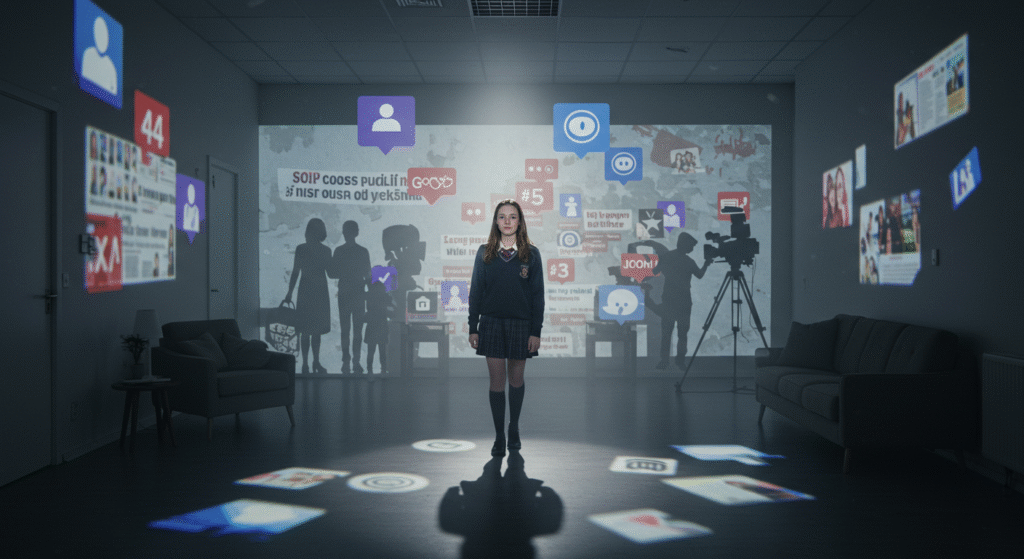
Beyond the immediate academic implications, the Gia Giudice school drama has had far-reaching consequences for multiple parties involved. The controversy affected not just Gia’s personal reputation but also impacted her family’s standing within the Bravo TV ecosystem. Teresa Giudice, already a polarizing figure, found herself defending her daughter while managing her own career and relationships within the Real Housewives franchise.
The drama also exposed the challenges faced by second-generation reality TV personalities. Unlike their parents, who chose to enter the public eye as adults, these young people have grown up with fame and must navigate adult responsibilities while their every move remains subject to public scrutiny. The pressure to maintain perfect images while pursuing legitimate career goals creates unique challenges that few outside their situation can truly understand.
The involvement of social media platforms and online discussions further amplified the controversy. Fans, critics, and observers dissected every aspect of the allegations, creating a parallel narrative that sometimes overshadowed the actual facts. This digital amplification demonstrates how modern controversies evolve beyond traditional media coverage to become complex, multi-platform discussions that can take on lives of their own.
As we prepare to examine the specific facts surrounding this controversy, it’s important to understand that the Gia Giudice school drama represents more than just allegations about academic misconduct. It reflects the broader challenges of growing up in public, the pressures of maintaining authenticity while building a career, and the complex relationships between reality television fame and real-world consequences.
The Top 5 Facts Behind the Gia Giudice School Drama

The Gia Giudice school drama encompasses several interconnected events and allegations that have shaped public perception of the reality TV star’s academic journey. These five crucial facts provide a comprehensive understanding of how the controversy unfolded and its lasting impact.
Fact 1: The Plagiarism Scandal Origins at Rutgers University
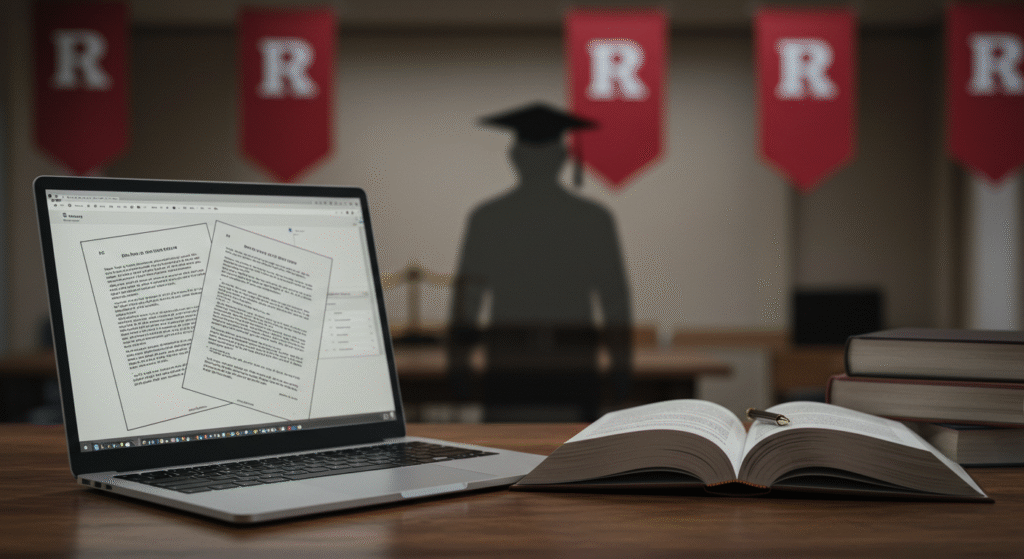
The most significant aspect of the Gia Giudice school drama centers on allegations of academic misconduct during her time at Rutgers University. Sources close to the situation revealed that questions first arose when faculty members noticed irregularities in writing style and content quality across multiple submissions. The plagiarism scandal gained traction when academic integrity committees began investigating potential violations of university policies.
What makes this situation particularly concerning is the systematic nature of the alleged misconduct. Rather than isolated incidents, reports suggest a pattern of questionable academic practices that spanned multiple semesters. The allegations specifically pointed to the use of ghostwriting services, where professional writers allegedly completed assignments and papers on Gia’s behalf. This practice not only violates university honor codes but also undermines the fundamental purpose of higher education.
The investigation process at Rutgers University followed standard protocols for academic misconduct cases. Faculty members documented their concerns, submitted evidence to the appropriate committees, and initiated formal review procedures. The university’s response demonstrated their commitment to maintaining academic integrity standards, regardless of a student’s public profile or family connections.
Fact 2: The Riley Burruss Connection and Podcast Revelations
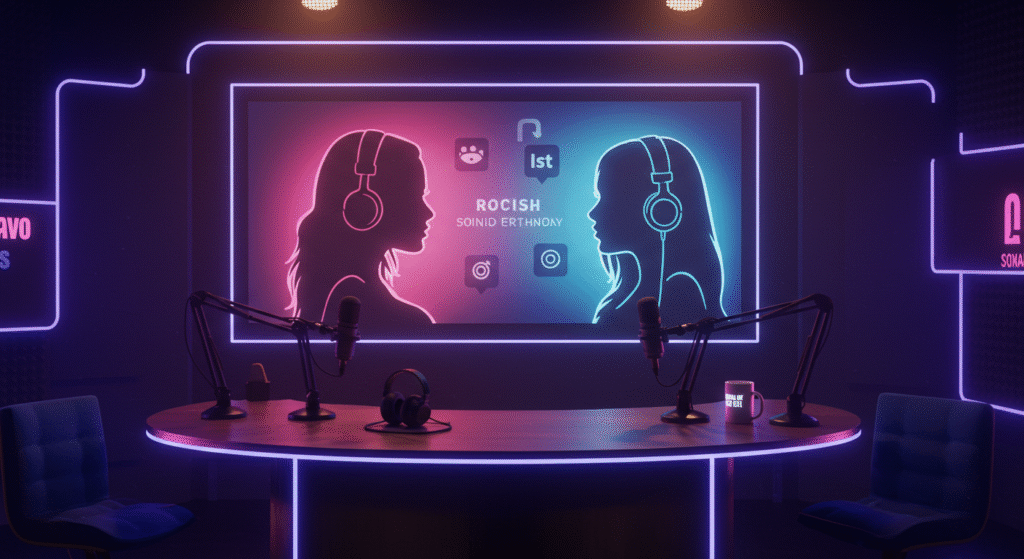
The drama intensified when Riley Burruss, daughter of Real Housewives of Atlanta star Kandi Burruss, became involved through her podcast appearances and social media commentary. The Casual Chaos podcast became an unexpected platform where details about the controversy first surfaced publicly. Riley’s statements and social media posts added fuel to the allegations against Gia, creating a cross-franchise feud that captivated Bravo TV audiences.
The relationship between Gia and Riley had been complicated from their initial interactions on various Bravo productions. Their different backgrounds and personalities often clashed, but the academic scandal provided a new focal point for their disagreements. Riley’s public comments about academic integrity and fairness in college admissions processes were widely interpreted as direct references to Gia’s situation.
This aspect of the controversy highlights how modern scandals unfold across multiple platforms simultaneously. What began as academic concerns within university walls quickly transformed into public entertainment through podcast discussions, social media debates, and reality TV storylines. The involvement of another prominent reality TV family member ensured maximum media coverage and public interest.
Fact 3: The Investigation Process and Academic Consequences

Rutgers University’s handling of the academic misconduct allegations followed established institutional procedures, but the high-profile nature of the case created additional complexities. The investigation involved multiple departments, including academic integrity committees, student affairs offices, and legal counsel to ensure proper protocols were maintained throughout the process.
The academic consequences faced by Gia included potential suspension from current courses, probationary status, and requirements for remedial academic integrity training. More significantly, the allegations threatened her law school admission prospects, as legal education programs maintain strict standards regarding applicant integrity and ethical conduct. The scandal raised questions about whether her undergraduate achievements accurately reflected her academic capabilities.
University officials maintained confidentiality requirements throughout the investigation, limiting public information about specific findings or disciplinary actions. However, the prolonged nature of the investigation process suggested serious consideration of the allegations rather than quick dismissal. The case also prompted discussions about how universities handle misconduct cases involving public figures while maintaining fairness and consistency in their disciplinary procedures.
Fact 4: Impact on Law School Aspirations and Career Plans

The most devastating potential consequence of the Gia Giudice school drama involves its impact on her law school admission prospects. Legal education programs conduct thorough background checks on applicants, including reviews of academic records, integrity violations, and character assessments. Any confirmed academic misconduct could result in automatic disqualification from law school admission or future bar examination eligibility.
Gia had publicly expressed strong interest in pursuing a legal career, following her studies in criminal justice at Rutgers University. Her family’s experiences with legal challenges, including her father’s deportation proceedings and various legal disputes, had reportedly motivated her interest in law. The academic scandal threatened to derail these carefully planned career objectives.
The legal profession maintains strict ethical standards that begin during law school admission processes. Academic dishonesty during undergraduate studies can prevent individuals from practicing law even years after graduation. This reality makes the allegations particularly serious for someone with Gia’s career aspirations. The scandal also raised questions about whether her interest in law was genuine or primarily motivated by family circumstances and public relations considerations.
Fact 5: The Bravo TV Production Complications and Family Response

The controversy created significant complications for Bravo TV productions involving the Giudice family. Real Housewives of New Jersey storylines had to navigate the sensitive nature of the allegations while maintaining entertainment value for audiences. The network faced challenges in addressing the scandal without compromising ongoing legal or academic proceedings.
Teresa Giudice’s response to her daughter’s academic troubles became a central focus of family dynamics portrayed on the show. Her protective maternal instincts clashed with the reality of serious allegations, creating internal family tensions that played out publicly. The situation also affected Gia’s involvement in Next Gen NYC and other Bravo productions, as network executives reconsidered her role given the controversy.
The family’s public relations strategy involved careful messaging that neither confirmed nor denied specific allegations while emphasizing Gia’s character and academic dedication. This approach reflected their understanding of the legal and academic processes involved while attempting to maintain public support. However, the strategy also created perception problems as audiences interpreted careful language as potential admission of guilt.
The broader implications for the Giudice family’s Bravo TV relationships cannot be understated. The network’s investment in their storylines and public personas required careful navigation of the scandal to protect both business interests and family reputations. This balancing act demonstrates the complex relationships between reality TV production, personal scandals, and public entertainment that define modern celebrity culture.
These five facts collectively illustrate how the Gia Giudice school drama represents more than simple academic misconduct allegations. The controversy encompasses family dynamics, career aspirations, media relationships, and the unique pressures faced by reality TV personalities pursuing legitimate professional goals. Understanding these interconnected elements provides crucial context for evaluating the long-term implications of this ongoing situation.
The Broader Context: Understanding the Real Impact of the Gia Giudice School Drama
The Gia Giudice school drama extends far beyond academic misconduct allegations, revealing deeper issues within reality television culture and the unique challenges faced by children of public figures. To fully comprehend the significance of this controversy, we must examine the broader context that shaped both the events themselves and their lasting consequences.
What Happened with Gia Giudice and Law School?
The relationship between the academic scandal and Gia’s law school aspirations represents one of the most critical aspects of this controversy. When allegations of academic misconduct first surfaced, they directly threatened her plans to pursue legal education after completing her criminal justice degree at Rutgers University. Law schools maintain rigorous admission standards that extend beyond academic performance to include character evaluations and integrity assessments.
The law school application process requires candidates to disclose any academic disciplinary actions, Honor Code violations, or integrity concerns from their undergraduate studies. Even minor infractions can result in automatic rejection from competitive programs. For Gia, whose public statements had consistently emphasized her commitment to legal education, these allegations created an existential threat to her career plans.
Legal education admission committees pay particular attention to applicants’ ethical backgrounds because the legal profession demands absolute integrity. The American Bar Association requires law schools to assess whether candidates possess the character and fitness necessary for eventual bar admission. Any confirmed academic misconduct would likely disqualify her from both law school admission and future bar examination eligibility, effectively ending her legal career before it began.
The timing of the Gia Giudice school drama coincided with critical application periods for law school admission, creating additional pressure and uncertainty. Her family’s legal troubles, including her father Joe Giudice’s deportation and various civil matters, had reportedly motivated her interest in law. The irony of academic integrity questions potentially derailing these plans was not lost on observers who had followed her family’s journey.
Was Gia Expelled from School?
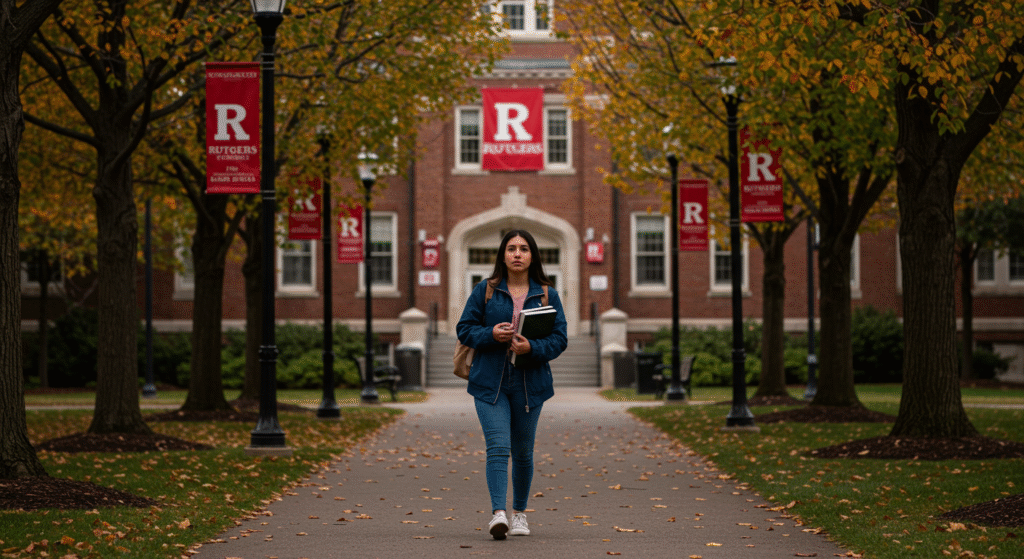
Questions about potential expulsion from Rutgers University became central to public speculation about the consequences of the academic misconduct allegations. While universities typically maintain confidentiality regarding student disciplinary matters, the high-profile nature of this case generated intense interest in potential outcomes.
Academic misconduct penalties at major universities like Rutgers follow established procedures that can range from warnings and probation to suspension or expulsion, depending on the severity and frequency of violations. The allegations against Gia reportedly involved multiple instances of potential plagiarism and ghostwriting service usage, which would typically warrant serious consequences under most university honor codes.
The expulsion question gained additional significance because of its potential impact on her degree completion and law school eligibility. Even if not expelled, any formal disciplinary action would appear on her academic transcript and require disclosure to future educational institutions and potential employers. The uncertainty surrounding her academic status created ongoing speculation within both academic and entertainment communities.
University sources suggested that the investigation process involved multiple levels of review, indicating serious consideration of the allegations rather than quick resolution. The prolonged nature of proceedings often suggests complex cases with significant evidence requiring careful evaluation. However, the lack of public confirmation regarding specific outcomes left room for continued speculation about her academic standing.
Teresa Giudice’s Role in the Family Feud Dynamics
The Gia Giudice school drama inevitably drew Teresa Giudice into public discussions about parenting, accountability, and family loyalty. As a central figure in Real Housewives of New Jersey, Teresa’s response to her daughter’s academic troubles became a focal point for both fans and critics of the family.
Teresa’s protective maternal instincts clashed with the reality of serious allegations against her eldest daughter. Her public statements carefully balanced support for Gia while avoiding direct commentary on specific accusations. This delicate approach reflected both legal caution and genuine concern for her daughter’s wellbeing and future prospects.
The family feud dimension expanded when other reality TV personalities, particularly from the Atlanta franchise, became involved through social media commentary and podcast discussions. Teresa’s relationships with other Bravo personalities became strained as the controversy created cross-franchise tensions that affected multiple show storylines and cast dynamics.
Teresa’s own experiences with legal challenges provided a unique perspective on her daughter’s situation. Having faced federal charges and prison time herself, she understood the serious consequences of legal and ethical violations. This background influenced her approach to addressing the academic integrity allegations while attempting to protect her daughter from similar devastating outcomes.
Social Media Amplification and Public Opinion

The role of social media platforms in amplifying the Gia Giudice school drama cannot be understated. Unlike previous celebrity scandals that unfolded primarily through traditional media channels, this controversy played out simultaneously across multiple digital platforms, creating a complex web of information, speculation, and opinion.
Instagram posts, Twitter discussions, and TikTok commentary created parallel narratives that sometimes overshadowed official information from universities or legal representatives. Fans and critics dissected every public appearance, social media post, and family statement for clues about the true extent of the allegations and their consequences.
The social media dimension also highlighted generational differences in how scandals unfold and are perceived. Younger audiences, particularly college students who understood academic integrity challenges firsthand, offered different perspectives than older viewers who focused primarily on family dynamics and reality TV entertainment value.
The viral nature of social media discussions meant that speculation and rumors could spread faster than factual information, creating additional challenges for the Giudice family’s reputation management efforts. Every statement or silence was interpreted and analyzed by thousands of online commentators, creating pressure for constant public relations management.
Academic Integrity in the Reality TV Era
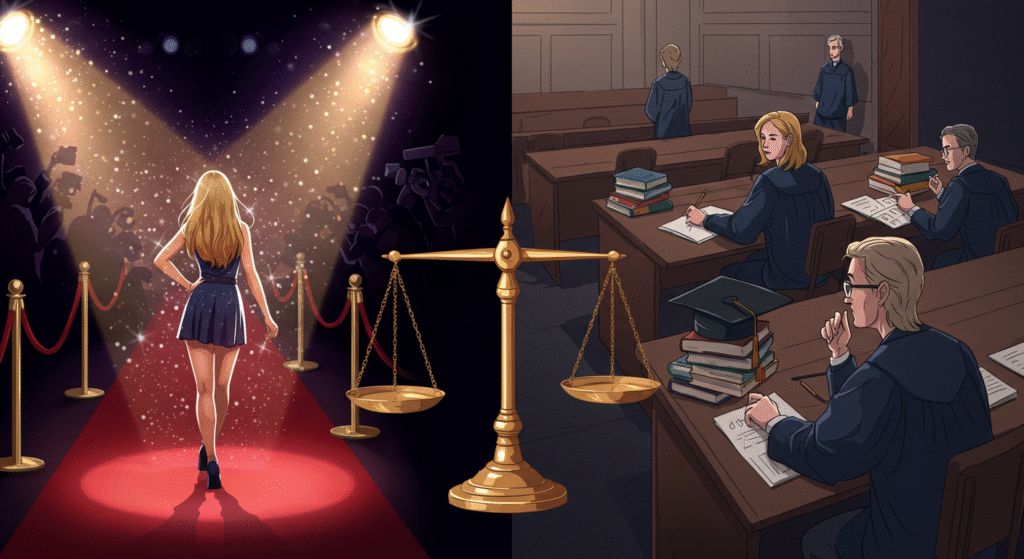
The controversy raised broader questions about academic integrity standards for students who balance public careers with educational pursuits. Reality TV personalities face unique pressures that most students never encounter, including constant scheduling conflicts, public scrutiny, and financial incentives that can compete with academic priorities.
The Gia Giudice school drama sparked discussions about whether universities should provide accommodations or different standards for celebrity students, or whether fame creates additional responsibilities rather than exceptions. Academic institutions generally maintain that integrity standards apply equally to all students regardless of their public profile or family background.
The case also highlighted the challenges faced by second-generation reality TV personalities who must establish their own identities and achievements while managing inherited fame and scrutiny. Unlike their parents who chose public life as adults, these young people navigate educational and career development under constant observation and judgment.
Educational experts noted that the pressures facing celebrity students require careful balance between maintaining academic standards and acknowledging the unique circumstances they face. However, most agreed that academic integrity violations, if proven, must face consequences regardless of a student’s public profile or potential career impact.
The broader implications of this controversy extend beyond individual consequences to affect how reality TV families approach education, career development, and public accountability. The Gia Giudice school drama serves as a cautionary tale about the complex intersection of fame, education, and personal responsibility in the modern entertainment landscape.
Final Thoughts on the Gia Giudice School Drama
The Gia Giudice school drama serves as a compelling case study of how modern celebrity scandals unfold across multiple platforms and affect numerous stakeholders. This controversy has illuminated the complex challenges faced by second-generation reality TV personalities as they attempt to establish legitimate careers while managing inherited fame and scrutiny.
Throughout this examination of the top five facts surrounding the allegations, several key themes emerge that extend beyond individual consequences. The intersection of academic integrity, reality television culture, and career aspirations creates a unique set of circumstances that few young adults must navigate. Gia’s situation demonstrates how personal choices and family dynamics can have far-reaching implications in an interconnected entertainment ecosystem.
The most significant lesson from this controversy involves the importance of maintaining ethical standards regardless of external pressures or available resources. Academic integrity serves as a foundation for professional credibility, particularly in fields like law that demand absolute ethical conduct. The Gia Giudice school drama highlights how shortcuts or questionable practices can derail carefully planned career trajectories and affect multiple generations of a family’s reputation.
For the broader reality television community, this situation has created new awareness about the responsibilities that come with public platforms. The ability to influence young audiences carries obligations that extend beyond entertainment value to include modeling appropriate behavior and accountability. The controversy has sparked industry discussions about how to better support young cast members in balancing fame with legitimate educational and career pursuits.
Frequently Asked Questions
What happened to Gia Giudice and her school?
The academic situation at Rutgers University involved allegations of plagiarism and potential use of ghostwriting services during Gia’s criminal justice studies. While specific disciplinary outcomes remain confidential due to university privacy policies, the investigation process followed standard academic misconduct procedures. The controversy raised questions about her ability to complete her degree requirements and maintain academic standing necessary for law school admission. Reports suggest the university took the allegations seriously, conducting thorough reviews that extended over multiple months.
Was Gia removed from Bravo?
Bravo TV has not officially removed Gia from their programming lineup, though her role in various productions has been affected by the ongoing controversy. The network faced challenges in addressing the academic allegations while maintaining entertainment value in shows like Real Housewives of New Jersey and Next Gen NYC. Production schedules and storylines required careful navigation to avoid compromising ongoing investigations or creating additional legal complications. Gia’s involvement in future Bravo projects likely depends on the resolution of the academic integrity questions and their impact on her public image.
What are Gia Giudice’s current law school plans?
The academic misconduct allegations have significantly complicated Gia’s law school admission prospects. Legal education programs require thorough background checks and character assessments that include any academic integrity violations. Even if the allegations are resolved favorably, the controversy has created documentation that must be disclosed during the application process. Her timeline for law school admission has been affected by the need to address these concerns and potentially complete additional requirements related to academic integrity training or probationary status.
How has this affected the Giudice family dynamic?
The Gia Giudice school drama has created new tensions within the family while also demonstrating their resilience in facing public challenges. Teresa Giudice has had to balance maternal support with the reality of serious allegations against her daughter. The situation has affected family relationships with other Bravo personalities and created additional storylines for reality TV production. Family members have had to navigate careful public messaging while protecting legal and academic proceedings from further complications.
Will this controversy affect Gia’s future career prospects?
The long-term career implications depend largely on how the academic integrity questions are resolved and what lessons Gia demonstrates learning from the experience. Professional opportunities in law and other fields requiring ethical standards will likely involve additional scrutiny of her background and character. However, the controversy has also provided opportunities for personal growth and public accountability that could ultimately strengthen her professional profile if handled appropriately.
How does this compare to other reality TV academic scandals?
The Gia Giudice school drama shares similarities with other high-profile academic controversies involving celebrity families, particularly the college admissions bribery scandals that affected numerous entertainment industry figures. However, this situation involves different allegations and circumstances specific to academic misconduct rather than admission fraud. The reality TV connection adds unique complications related to ongoing production schedules and family brand management that distinguish it from purely academic disciplinary matters.
What lessons can other reality TV families learn?
This controversy provides valuable insights for other celebrity families navigating education and career development under public scrutiny. The importance of maintaining genuine academic achievement, seeking appropriate support for unique challenges, and establishing clear boundaries between public and private responsibilities has become evident through this situation. The case demonstrates how academic integrity violations can have consequences that extend far beyond individual students to affect entire family enterprises and professional relationships.
The Gia Giudice school drama ultimately represents more than just allegations about academic misconduct. It reflects broader questions about accountability, authenticity, and the responsibilities that come with public platforms. As this situation continues to unfold, it will likely influence how future generations of reality TV personalities approach education, career development, and public accountability in an increasingly connected and scrutinized entertainment landscape.