Introduction: Celebrities with Turner Syndrome and Their Impact
When people search for celebrities with Turner syndrome, they are often looking for stories of hope, resilience, and recognition. Turner syndrome is a rare genetic disorder that affects females and is caused by the complete or partial absence of one X chromosome. Despite the health challenges it brings, many inspiring women have managed to thrive, shine in their careers, and raise Turner syndrome awareness across the globe.
This article provides a detailed overview of famous people with Turner syndrome, their journeys, and how their stories contribute to public understanding of the condition. By highlighting these Turner syndrome celebrities, we not only celebrate their achievements but also spread awareness about this rare chromosomal disorder that affects approximately 1 in 2,500 female births.
To make this resource easier to follow, here’s a quick snapshot of what you’ll learn:
| Key Insights on Turner Syndrome | Details in Bullet Points |
| What is Turner syndrome? | A rare chromosomal disorder where one X chromosome is missing or altered |
| Who does it affect? | Primarily females, impacting growth, puberty, and fertility |
| Common challenges | Short stature, infertility, delayed puberty, heart defects, thyroid dysfunction, and learning difficulties |
| Medical treatments | Growth hormone therapy, estrogen therapy, genetic counseling, assisted reproduction |
| Why awareness matters | Early diagnosis and treatment improve quality of life; advocacy supports affected families |
| Role of celebrities | Inspiring women, athletes, and public figures show resilience and spread awareness. |
Understanding Turner Syndrome: Causes, Symptoms, and Treatment
Turner Syndrome Awareness and AdvocacyTurner Syndrome Awareness and Advocacy
Before diving into the list of celebrities with Turner syndrome, it is important to understand what this condition means and why awareness is so essential.
Understanding Turner Syndrome: Causes, Symptoms, and Treatment
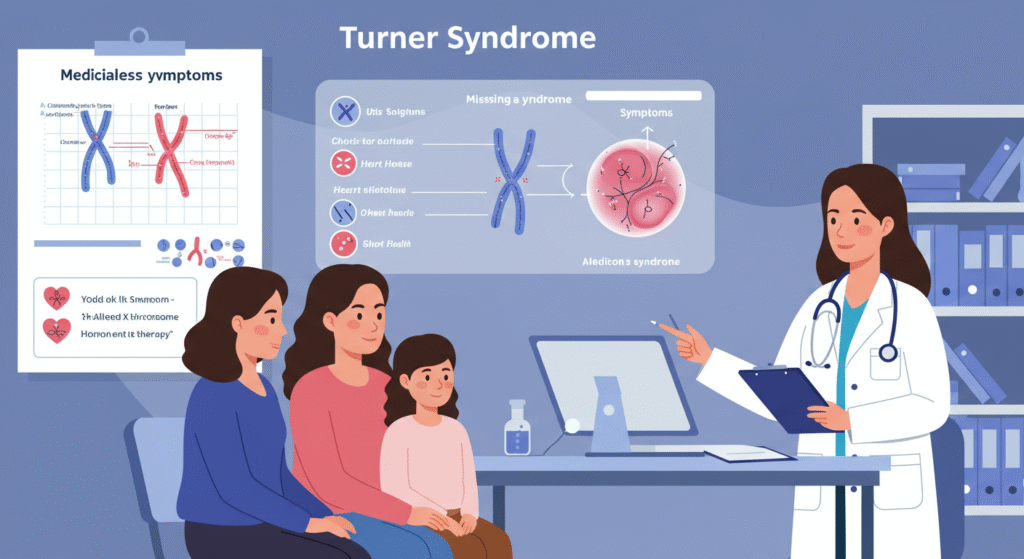
Turner syndrome is a genetic condition affecting females, caused by the absence of all or part of the second X chromosome. Medically, this is referred to as 45, X chromosomal anomaly. It is not inherited but occurs randomly during conception.
Key Symptoms of Turner Syndrome
Girls and women with Turner syndrome often show a range of physical and medical features:
- Short stature compared to peers
- Delayed puberty or incomplete sexual development
- Ovarian failure leading to infertility
- Congenital heart defects and kidney abnormalities
- Hearing loss, thyroid dysfunction, lymphedema
- Challenges with emotional health, anxiety, and self-image
Not every person experiences all symptoms; the severity varies depending on whether it is classic Turner syndrome or mosaic Turner syndrome (where some cells have two X chromosomes while others do not).
Diagnosis and Treatment
Doctors diagnose Turner syndrome through genetic testing, like karyotyping. Early childhood diagnosis is crucial for addressing both medical and developmental needs. Treatment usually includes:
- Growth hormone therapy to improve height
- Estrogen therapy for puberty induction and bone health
- Medical care for heart, thyroid, and reproductive health
- Genetic counseling and assisted reproductive technology for fertility options
Life Expectancy and Quality of Life
With proper medical intervention and multidisciplinary medical care, women with Turner syndrome can live a full life. Although they may face reproductive challenges and higher risks of heart-related issues, Turner syndrome life expectancy is improving with better awareness and healthcare support.
Why Highlight Celebrities with Turner Syndrome?

The presence of female celebrities with Turner syndrome plays a crucial role in reshaping how society views this condition. Their visibility helps in:
- Breaking stereotypes about genetic disorders
- Promoting rare disease awareness through media and advocacy
- Showing that living with Turner syndrome as a celebrity is possible and inspiring
- Motivating young girls diagnosed with the condition to pursue their goals
The stories of resilience from Turner syndrome celebrities serve as a source of empowerment. Their advocacy, achievements, and openness about health struggles contribute to both medical awareness and women’s empowerment.
Celebrities with Turner Syndrome: Inspiring Stories of Resilience
List of Celebrities with Turner Syndrome
While Turner syndrome is a rare condition, several famous people with Turner syndrome have openly shared their journeys or are widely recognized for representing resilience. Below is a list of celebrities with Turner syndrome who have inspired millions through their courage and accomplishments.
1. Lauren Williams, Advocate and Public Speaker
Lauren Williams is often mentioned among Turner syndrome celebrities because of her advocacy work. She has dedicated her life to spreading Turner syndrome awareness through conferences, podcasts, and nonprofit events. Lauren emphasizes the importance of early diagnosis, genetic testing, and proper medical care for young girls.
- Focus on women’s empowerment & health.
- Highlights challenges like delayed puberty, infertility, and emotional health
- Uses social media advocacy to inspire young women worldwide
2. Missy Marlowe, Former Gymnast
Missy Marlowe is a celebrated athlete who became a household name as a female celebrity with Turner syndrome. Despite facing short stature and puberty delays, she excelled in gymnastics, representing resilience.
- Shows that living a full life with Turner syndrome is possible
- Advocates for growth hormone therapy and medical intervention for young girls
- Her athletic success challenges stereotypes around genetic disorders
3. Linda Hunt, Academy Award-Winning Actress
Linda Hunt, known for her powerful acting in film and television, is often cited in the list of Turner syndrome celebrities. Standing at a shorter height due to her condition, she thrived in Hollywood, becoming an Oscar-winning actress.
- Representation of celebrity stories with genetic disorders
- Inspiring women in the arts despite health challenges
- Proof that Turner syndrome success stories can reach global audiences
4. Natalie Gulbis, Professional Golfer
Natalie Gulbis, a professional athlete, continues to inspire as she navigates health challenges linked to the Turner syndrome condition. Her career highlights how sports figures can break boundaries despite medical struggles.
- Advocate for rare disease awareness
- Encourages young athletes with genetic conditions
- Brings visibility to heart defects in Turner syndrome and the importance of medical checkups
5. Janette Krankie Comedian and Entertainer
Janette Krankie is a beloved entertainer who has spoken about living with Turner syndrome genetic disorder. Her humor and public presence continue to make her an inspiration.
- Raises awareness about learning disabilities and emotional well-being
- Proof that comedy and creativity can thrive despite health challenges
- Uses her celebrity status to spread Turner syndrome advocacy
6. Nicole Scherzinger, Singer and Advocate
Nicole Scherzinger has been connected with Turner syndrome awareness campaigns, particularly supporting organizations like the Turner Syndrome Foundation. While not directly diagnosed, her advocacy work has linked her with raising visibility for the cause.
- Strong supporter of rare disease awareness campaigns
- Uses fame to promote women’s health and genetic disorder education
- Encourages open discussions about medical care and resilience
7. Catherine Ward Melver Medical Advocate
Dr. Catherine Ward Melver is a physician and public speaker who lives with mosaic Turner syndrome. She provides both medical insight and personal perspective.
- Embodies the Turner syndrome stories of resilience
- Focus on genetic counseling, medical intervention, and research.
- Role model for inspiring women in healthcare
8. Shelley Smith Model and Advocate
Shelley Smith, a model and actress, openly discussed her struggles with infertility caused by Turner syndrome. Her transparency brought much-needed attention to reproductive challenges.
- Promotes assisted reproductive technology & Turner syndrome awareness
- Publicly spoke about genetic counseling and emotional health.h
- Highlights resilience despite genetic challenges
9. Missy Truscott Fitness Champion
Missy Truscott is recognized in fitness circles and often included among Turner syndrome celebrities due to her strong advocacy. She combines athletic performance with public speaking to empower others.
- Encourages healthy living despite chromosomal disorders
- Raises awareness about growth hormone therapy and estrogen replacement therapy
- Embodies living with Turner syndrome as a celebrity athlete
10. Candace Nelson, Entrepreneur and Chef
Candace Nelson, the creator of Sprinkles Cupcakes, has openly supported Turner syndrome foundations. While not diagnosed herself, her contributions have made her an honorary figure in the Turner syndrome advocacy space.
- Promotes Turner Syndrome Support Society events
- Encourages rare disease advocacy through philanthropy
- Uses her entrepreneurial success to support awareness campaigns
Celebrities Raising Turner Syndrome Awareness
Understanding Turner Syndrome: Causes, Symptoms, and Treatment
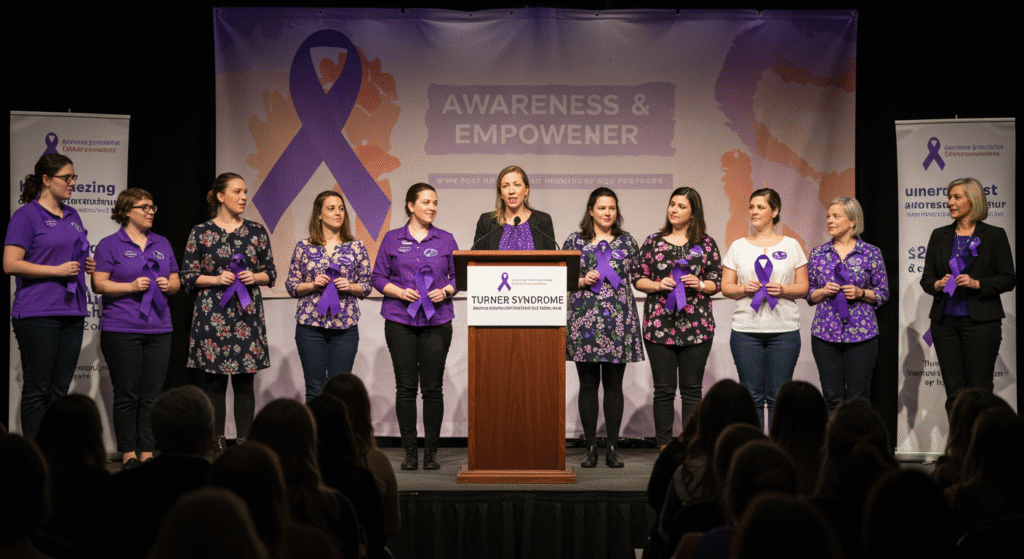
Not all public figures listed may be diagnosed, but many contribute through advocacy and visibility. The importance lies in:
- Real celebrities diagnosed with Turner syndrome are showing their struggles openly
- Celebrities raising Turner syndrome awareness through foundations and campaigns
- Famous women with Turner syndrome who have inspired young girls
- Turner syndrome success stories are reaching wider audiences through media coverage.
Comparison with Similar Conditions
Turner syndrome is often compared with other genetic disorders in women, but it is unique in its challenges:
- Klinefelter syndrome vs Turner syndrome: Klinefelter affects males (XXY chromosomes) while Turner affects females (X0).
- Noonan syndrome vs Turner syndrome: Both cause short stature and heart defects, but Noonan syndrome affects both genders and has different genetic origins.
Understanding these comparisons helps highlight the rare disease awareness that Turner syndrome advocacy brings.
Turner Syndrome Awareness
Turner Syndrome Awareness and Advocacy
Celebrities Raising Turner Syndrome Awareness
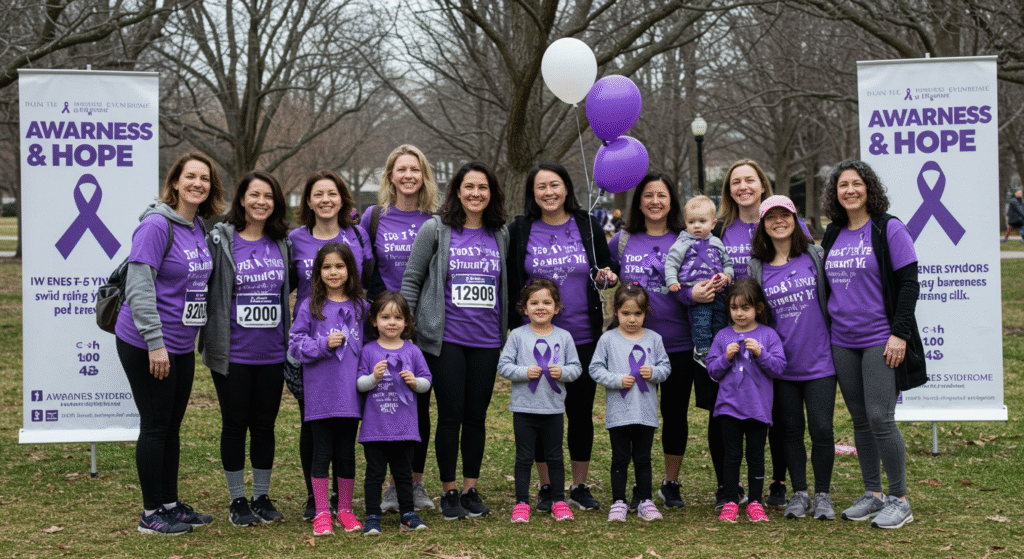
Raising Turner syndrome awareness has become essential for early diagnosis, access to healthcare, and providing emotional support to families. Organizations like the Turner Syndrome Foundation and the Turner Syndrome Support Society actively conduct:
- Awareness campaigns across schools, hospitals, and media platforms
- Medical research funding to explore treatment and fertility options
- Support groups where parents and patients share experiences
- Rare disease awareness events are held every year to build global recognition.
Celebrities and public figures who share their journeys amplify the voices of those living with the condition. Their stories highlight that resilience despite genetic challenges is possible, and advocacy can improve lives.
Myths and Facts about Turner Syndrome
Despite growing awareness, several misconceptions surround this rare chromosomal disorder. Addressing them is vital to reducing stigma.
- Myth 1: Women with Turner syndrome cannot live long lives.
Fact: With proper medical care and monitoring of heart defects and thyroid dysfunction, Turner syndrome life expectancy can be near normal. - Myth 2: Turner syndrome only affects physical appearance.
Fact: It also impacts fertility, emotional health, and learning abilities, requiring holistic care. - Myth 3: All girls with Turner syndrome look the same.
Fact: Many have subtle or no visible traits, especially in mosaic Turner syndrome. - Myth 4: Turner syndrome means complete infertility.
Fact: Some women can conceive with assisted reproductive technology and genetic counseling.
Final Thoughts:
The stories of famous people with Turner syndrome remind us that a genetic condition does not define one’s destiny. From actresses and athletes to advocates and medical professionals, these Turner syndrome celebrities show the power of resilience, determination, and awareness.
By learning from their journeys, society can foster more understanding, reduce stigma, and encourage women’s empowerment & health advocacy. Whether through Turner syndrome awareness campaigns, public speaking, or personal achievements, these inspiring women prove that life with a genetic challenge can still be full of accomplishments.
The key takeaway is clear: living with Turner syndrome as a celebrity or everyday woman is possible with early diagnosis, medical care, and strong support systems.
Frequently Asked Questions:
Who has Turner’s syndrome?
Turner syndrome primarily affects females, occurring in approximately 1 out of every 2,500 live female births worldwide. While it does not affect males, conditions like Klinefelter syndrome share similarities in chromosomal abnormalities.
Can you look normal and have Turner syndrome?
Yes. Many women, especially those with mosaic Turner syndrome, may have no obvious physical traits. Diagnosis often comes later in life when they face puberty delays or infertility challenges.
Does Turner syndrome affect lifespan?
Women with Turner syndrome may face health risks like congenital heart defects and thyroid dysfunction, but with early diagnosis and treatment, their life expectancy can be significantly improved. Regular medical care is the key.
What is the IQ of a person with Turner syndrome?
Most individuals with Turner syndrome have a normal IQ. Some may experience specific learning disabilities in math, spatial reasoning, or memory, but they usually perform well academically with proper support.
Role of Celebrities in Turner Syndrome Advocacy
The importance of celebrities with Turner syndrome extends beyond personal triumph. By sharing their experiences, they:
- Create visibility for rare genetic disorders
- Inspire resilience in young girls with similar diagnoses.
- Encourage early diagnosis and growth hormone therapy.y
- Highlight the need for multidisciplinary medical care.
- Support social media advocacy for awareness campaigns
Research and Future Outlook
Ongoing research and clinical studies continue to explore:
- Advances in hormone replacement therapy
- Improved assisted reproductive technology for women with infertility
- Early intervention strategies to reduce the risks of heart and kidney abnormalities
- Mental health support programs for emotional resilience
The future looks hopeful, as global advocacy and medical research are bridging gaps in care and awareness.