When considering a career in the organic grocery retail sector, Whole Foods Market stands out as a leader in employee development and professional growth. The Austin-based company has transformed from a single store in 1980 to a global chain with over 87,000 team members across multiple countries, creating thousands of job opportunities for individuals seeking meaningful work in the natural food industry.
The benefits of working at Whole Foods Market extend far beyond traditional retail positions, offering unique career advancement opportunities that distinguish it from conventional grocery store careers. Below is an overview of what makes Whole Foods Careers particularly attractive to job seekers:
| Career Benefits | Key Features |
| • Professional Development | Paid apprenticeships and certification programs |
| • Growth Opportunities | Clear promotion pathways from entry-level to leadership |
| • Workplace Culture | Mission-driven work with core values integration |
| • Skills Training | Culinary apprenticeships and specialty certifications |
| • Employee Benefits | Comprehensive packages including team member discounts |
The company’s approach to career development reflects a deep commitment to nurturing talent from within. Unlike many retail employers who focus primarily on management training, Whole Foods Market emphasizes hands-on food expertise and culinary skills development through innovative programs that create certified cheese professionals, skilled butchers, and expert bakers.
1. Unparalleled Professional Development Through Specialized Training Programs

The first major benefit of Whole Foods Careers lies in the company’s investment in professional certification and skill-building initiatives. The organization has pioneered a unique approach to training programs that goes beyond basic retail education, offering culinary apprenticeships that rival those found in top restaurants and culinary schools.
Culinary Apprenticeship Excellence

Whole Foods Market operates the most comprehensive apprenticeship programs in the grocery industry, with current tracks including butchery skills, cheesemongering, and bakery decoration. These intensive programs combine theoretical knowledge with practical, hands-on experience, typically spanning several months to multiple years depending on the specialization.
The butcher apprentice program exemplifies this commitment to excellence. Participants undergo two six-month phases that combine classroom learning with on-the-job training under experienced mentors. This approach ensures that graduates possess both technical skills and deep understanding of meat quality, food safety training, and customer service excellence.
World-Class Cheese Professional Program

Perhaps the most prestigious offering is the Certified Cheese Professional program, which has established Whole Foods Market as the world’s largest employer of certified cheese experts. This rigorous career progression path requires 4,000 hours of training over two years, culminating in certification through the American Cheese Society.
Participants in this program don’t just learn about cheese varieties and pairing techniques. They visit local sourcing partners at their farms, understanding the entire production process from farm to store. This comprehensive approach to food expertise creates genuinely knowledgeable team members who can provide exceptional customer service while building their own professional growth trajectory.
Innovative Expansion of Apprenticeships

The company continues expanding its apprenticeship opportunities, with pizza-making and produce specialist tracks currently in development. These additions reflect Whole Foods Market’s understanding that specialty foods knowledge directly translates to better customer experiences and higher job satisfaction for employees.
Each apprenticeship program offers paid learning opportunities, meaning participants earn while they develop marketable skills. This approach eliminates the financial barriers often associated with professional certification programs, making career advancement accessible to individuals regardless of their economic background.
The impact of these programs extends beyond individual team members. Graduates often become mentors themselves, creating a culture of continuous learning and skill building throughout the organization. This peer-to-peer knowledge transfer strengthens team collaboration while ensuring consistent quality standards across all locations.
Career Mobility and Leadership Development

What sets these training programs apart is their direct connection to leadership opportunities within the company. Many current store team leaders and assistant store managers began their careers through apprenticeship programs, demonstrating the genuine potential for career advancement within the organization.
The company’s commitment to promoting from within means that team member positions often serve as stepping stones to management opportunities. This internal mobility creates clear career progression pathways that motivate employees to invest in their long-term development with the company.
This first benefit of Whole Foods Careers demonstrates how the company has redefined what it means to work in grocery retail, transforming traditional retail positions into legitimate career paths with professional recognition and growth potential.
2. Comprehensive Employee Benefits Package That Exceeds Industry Standards

The second significant advantage of pursuing Whole Foods Careers is the company’s exceptional employee benefits package that sets new benchmarks in the grocery retail sector. Unlike traditional retail employers who often provide minimal benefits, Whole Foods Market treats its team members as valuable stakeholders, offering comprehensive packages that support both personal and professional well-being.
Health and Wellness Benefits

Whole Foods Market’s commitment to work-life balance extends beyond scheduling flexibility to encompass comprehensive healthcare coverage. The company provides medical, dental, and vision insurance options that accommodate various life circumstances and family structures. These benefits are available to both full-time and part-time team member positions, recognizing that quality healthcare shouldn’t depend on employment status.
The wellness programs reflect the company’s philosophy about holistic health. Team members receive substantial team member discounts on organic grocery retail products, enabling them to maintain healthy lifestyles while building their understanding of the products they sell. This creates a natural alignment between personal health goals and professional growth within the natural food industry.
Mental health support has become increasingly important in retail environments, and Whole Foods Market addresses this through employee assistance programs and stress management resources. The company recognizes that customer service excellence requires mentally and physically healthy employees who feel supported by their employer.
Financial Security and Growth
Beyond traditional benefits, the company offers career advancement incentives through profit-sharing programs and performance bonuses tied to store success. This approach creates direct connections between individual contributions and financial rewards, fostering team collaboration while recognizing exceptional performance.
The retirement planning benefits include 401(k) matching programs that help team members build long-term financial security. This forward-thinking approach to employee development demonstrates the company’s investment in its workforce’s future, not just their immediate productivity.
Educational Support and Development Funding

Perhaps most notably, the company funds continuing education opportunities that extend beyond internal training programs. Team members can access tuition reimbursement for relevant coursework, professional certifications, and industry conferences. This investment in skill building creates pathways for advancement both within and beyond traditional grocery store careers.
The educational benefits particularly benefit those interested in food safety training, sustainable practices, and quality standards certification. These credentials enhance both immediate job performance and long-term career progression opportunities throughout the food industry employment sector.
3. Dynamic Workplace Culture Built on Core Values and Mission-Driven Work

The third major benefit of Whole Foods Careers lies in the company’s distinctive workplace culture that transforms everyday retail work into mission-driven work with genuine purpose. This cultural foundation creates an inclusive workplace where team members feel connected to something larger than individual tasks or sales metrics.
Core Values Integration in Daily Operations

Whole Foods Market operates on clearly defined core values that guide decision-making at every level of the organization. These values aren’t merely corporate marketing statements; they actively influence hiring decisions, performance evaluations, and career development opportunities. Team members report feeling more engaged when their personal values align with organizational priorities around sustainable practices, community commitment, and quality standards.
The emphasis on local sourcing creates opportunities for team members to develop relationships with regional producers and understand the complete supply chain. This knowledge enhances food expertise while creating meaningful connections between store operations and community impact. Many employees report that these relationships make their work feel more purposeful than traditional retail positions.
Collaborative Decision-Making Processes
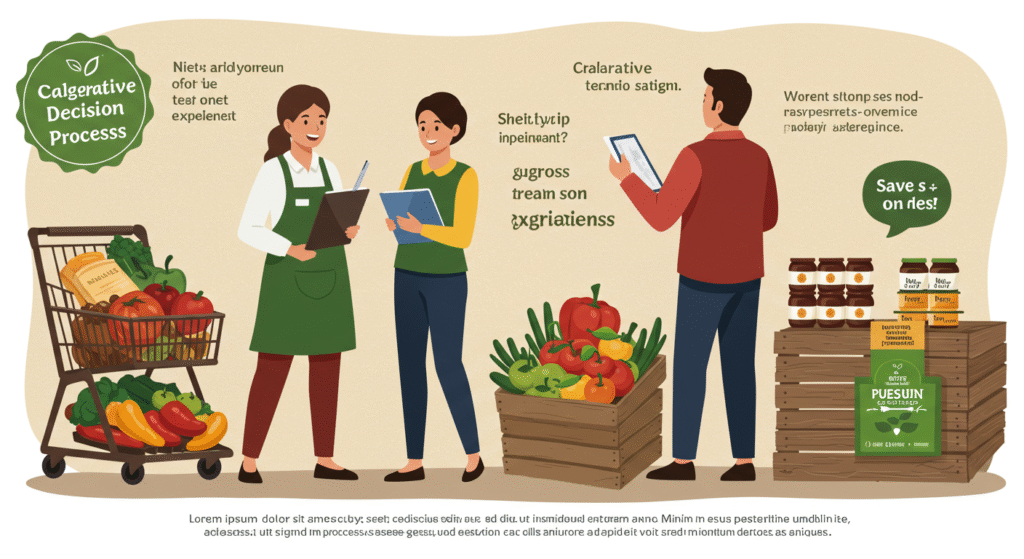
The company’s approach to team collaboration includes team members in operational decisions through regular meetings and feedback sessions. This participatory management style ensures that frontline employees have voices in processes that affect their daily work experiences. The result is higher job satisfaction and increased investment in store success.
New employees undergo comprehensive orientation programs that explain not just job responsibilities but also the company’s history, mission, and commitment to premium grocery experience. This contextual understanding helps team members see their roles as part of a larger movement toward healthier eating and sustainable practices.
Recognition and Advancement Opportunities

The workplace culture emphasizes internal recognition through peer nomination programs and achievement celebrations. Team members can nominate colleagues for exceptional customer service, innovative problem-solving, or outstanding team leadership. These recognition programs create positive feedback loops that reinforce desired behaviors while building stronger relationships among colleagues.
Career advancement opportunities are communicated transparently, with clear pathways from entry-level positions to store leadership roles. Many current store team leaders and assistant store managers began as part-time team members, demonstrating the genuine potential for growth within the organization.
The culture encourages team members to propose improvements to operations, customer experience, and product selection. This innovation-friendly environment allows employees to take ownership of their work areas while contributing to overall store performance. Many successful initiatives throughout the company originated from frontline team member suggestions.
The emphasis on artisan products and specialty foods creates opportunities for team members to develop creative merchandising skills and deepen their understanding of diverse culinary traditions. This knowledge enhances both personal satisfaction and professional growth within the food expertise domain.
Community Connection and Social Impact

Working at Whole Foods Market means participating in community commitment initiatives that extend beyond traditional retail operations. Team members often participate in local food banks, sustainability education programs, and community garden projects. These activities create meaningful connections between work responsibilities and social impact.
The company’s commitment to health-conscious consumers means that team members become educators about nutrition, cooking techniques, and sustainable living practices. This educational role adds depth to customer interactions while building valuable expertise that benefits both personal and professional development.
This cultural foundation makes Whole Foods Careers particularly attractive to individuals seeking work that aligns with their values while providing opportunities for meaningful contribution to community health and environmental sustainability.
4. Flexible Career Paths with Multiple Growth Trajectories

The fourth benefit of Whole Foods Careers lies in the company’s unique approach to career progression, which offers multiple pathways for advancement rather than a single hierarchical ladder. This flexibility recognizes that team members have diverse interests and strengths, creating opportunities for both vertical advancement into management opportunities and horizontal growth across different departments and specialties.
Diverse Department Specializations

Unlike traditional grocery retailers that view departments as interchangeable assignments, Whole Foods Market treats each area as a distinct specialty requiring specific food expertise. The bakery decorator role, for instance, combines artistic skills with food preparation knowledge, creating opportunities for creative professionals to build fulfilling careers without pursuing traditional management tracks.
The food preparation departments offer particularly rich career development opportunities. Team members can specialize in areas ranging from prepared foods and hot bar management to juice bar operations and sandwich artistry. Each specialization requires unique skills and offers distinct advancement possibilities, from department trainer roles to regional positions overseeing multiple locations.
Distribution center positions provide another pathway for professional growth outside traditional retail environments. These roles combine logistics expertise with food safety training, creating career opportunities in supply chain management, quality control, and operational efficiency. Many team members find these positions offer better work-life balance while maintaining connection to the company’s mission and values.
Cross-Department Mobility

The company actively encourages team members to explore different departments through internal transfer programs and shadowing opportunities. A cheese professional might discover passion for wine pairing and transition into the beverage department, while someone in produce specialist roles might develop interest in butchery skills and pursue apprenticeship opportunities.
This cross-department mobility ensures that job opportunities remain diverse and engaging throughout an employee’s tenure. Team members report that this flexibility prevents career stagnation and maintains high levels of job satisfaction over extended periods. The ability to pivot between specialties while maintaining employment continuity sets Whole Foods Careers apart from more rigid retail environments.
Leadership Development Across Multiple Tracks
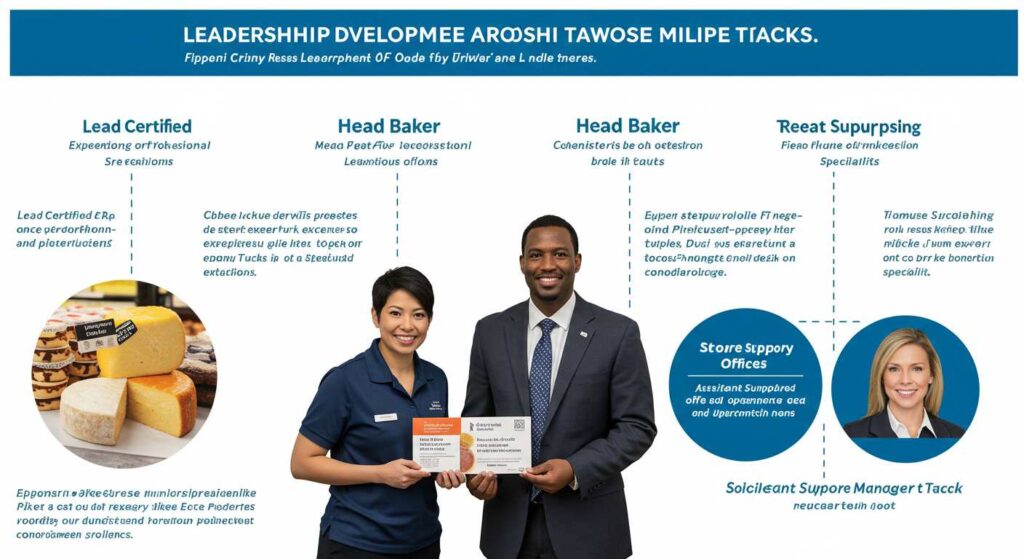
Store leadership roles encompass more than traditional management positions. The company recognizes expertise-based leadership through positions like Lead Certified Cheese Professional, Head Baker, and Meat Department Specialist. These roles combine deep technical knowledge with team leadership responsibilities, creating advancement opportunities for subject matter experts who prefer hands-on work.
The assistant store manager track provides structured preparation for eventual store management, but the company also offers alternative leadership paths through store support office positions, training coordination roles, and regional positions that focus on specialty knowledge rather than general management skills.
Geographic Flexibility and Relocation Opportunities

With store locations spanning multiple countries, Whole Foods Careers offer unique opportunities for geographic mobility. Team members can transfer between cities and even countries while maintaining their employment status and benefits continuity. This geographic flexibility particularly benefits individuals interested in experiencing different markets and customer demographics.
The Austin headquarters offers corporate positions for team members interested in transitioning from store operations to corporate functions. These opportunities include roles in sustainable practices development, local sourcing coordination, and quality standards management. Many headquarters employees began their careers as frontline team members, bringing practical experience to corporate decision-making processes.
5. Industry-Leading Compensation Structure with Performance-Based Rewards

The fifth major benefit of Whole Foods Careers involves the company’s progressive approach to compensation that goes well beyond standard retail wages. The organization has consistently positioned itself as a leader in employee development through financial incentives that recognize both tenure and performance excellence.
Competitive Base Wages and Regular Increases

Whole Foods Market has historically offered wages above industry standards for comparable retail positions. The company regularly evaluates compensation structures against regional markets and adjusts wages to maintain competitive advantage in attracting quality team members. This proactive approach to wage management demonstrates genuine investment in workforce retention and satisfaction.
Entry-level positions typically offer starting wages significantly above minimum wage requirements, with clear schedules for wage increases based on performance evaluations and tenure milestones. Team members can anticipate regular compensation growth without requiring promotion to higher-level positions, creating financial stability within current roles.
The wage structure recognizes the specialized knowledge required for different positions. Specialty department jobs like certified cheese professional and butcher apprentice command premium wages reflecting the expertise and training investment required. This compensation approach validates the professional nature of these roles rather than treating them as basic retail positions.
Performance-Based Bonus Systems
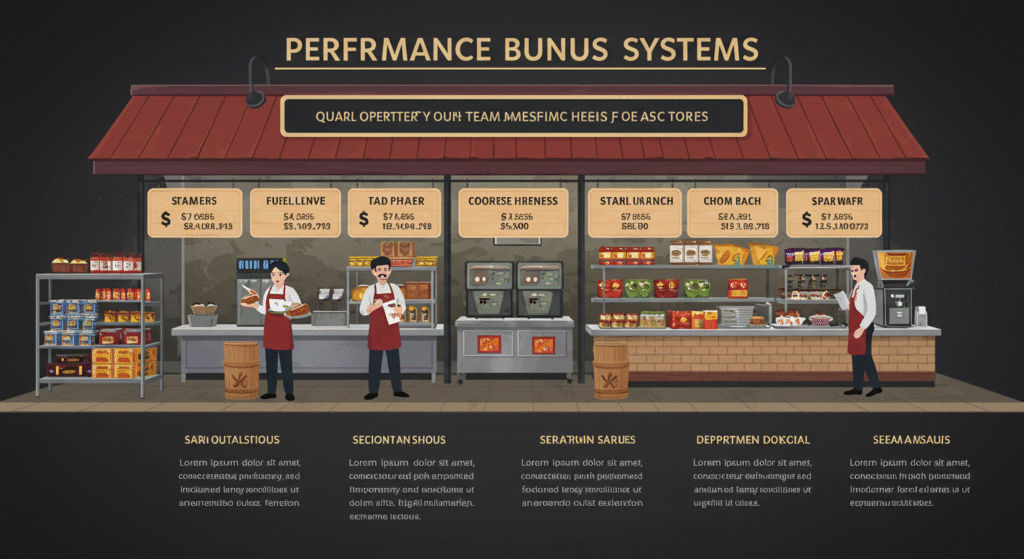
The company operates sophisticated bonus systems tied to both individual performance and overall store success. Team members participate in quarterly profit-sharing programs that create direct connections between personal contribution and financial rewards. High-performing team members can earn substantial bonuses that significantly increase their annual compensation.
Individual performance bonuses recognize excellence in customer service, food safety compliance, and team collaboration. These bonuses reward behaviors that align with company values while providing financial incentives for continuous improvement. The transparency of bonus criteria helps team members understand exactly how their efforts translate to financial recognition.
Department-specific bonus programs reward achievements like reduced waste, increased sales, and customer satisfaction scores. Team members working in food preparation areas might earn bonuses for minimizing product loss, while those in customer-facing roles earn rewards for positive feedback scores and service excellence metrics.
Professional Development Investment Returns

The financial investment in professional certification programs creates long-term career value for team members. Graduates of culinary apprenticeships and specialty certification programs command higher wages both within Whole Foods Market and throughout the broader food industry employment sector. This training investment provides transferable skills that enhance lifetime earning potential.
Team members who complete apprenticeship opportunities often see immediate wage increases upon certification completion. The company recognizes certified skills through permanent wage adjustments rather than temporary bonuses, creating sustained financial benefits for educational achievement.
Benefits Monetization and Additional Compensation
The comprehensive employee benefits package includes monetary values that extend effective compensation well beyond base wages. Team member discounts on premium grocery products provide substantial household budget benefits, particularly for families prioritizing organic grocery retail options.
Health insurance contributions by the company represent significant financial value, often worth thousands of dollars annually. When combined with dental, vision, and other benefit contributions, the total compensation package often exceeds apparent wage differences with other employers by substantial margins.
Stock option opportunities and profit-sharing programs create potential for wealth building beyond traditional wage employment. Long-term team members who participate in these programs often accumulate significant financial assets through their employment relationship, transforming retail work into genuine wealth-building opportunities.
Career Advancement Financial Trajectory
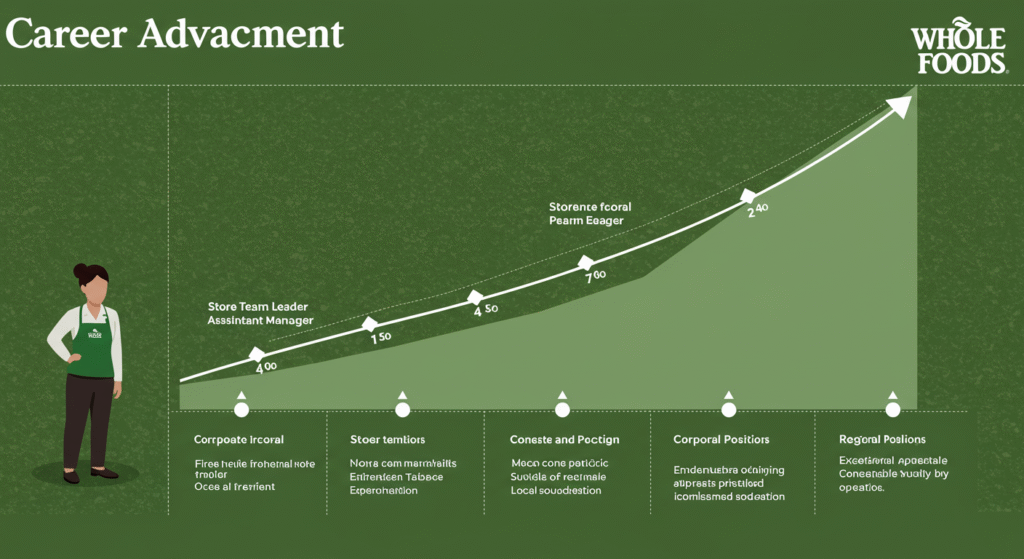
Management opportunities within the organization offer substantial compensation increases, with store team leader and assistant store manager positions providing middle-class income levels with comprehensive benefits. These advancement opportunities create clear financial incentives for career progression while maintaining connection to operational excellence.
The financial trajectory for successful team members can lead from entry-level positions to six-figure management roles within reasonable timeframes. This earning potential distinguishes Whole Foods Careers from typical retail employment and creates genuine economic mobility for dedicated employees.
Regional and corporate positions offer even higher compensation levels, with many roles providing executive-level salaries for individuals who develop expertise in sustainable practices, quality standards, or local sourcing operations. These opportunities demonstrate how professional growth within the organization can lead to substantial financial success while maintaining alignment with personal values and company mission.
Final Thoughts
The comprehensive benefits outlined throughout this analysis demonstrate why Whole Foods Careers represent more than traditional retail employment opportunities. From specialized training programs and apprenticeship opportunities to progressive compensation structures and mission-driven work environments, the company has redefined what it means to build a career in the natural food industry.
Team members who choose Whole Foods Market as their career destination gain access to professional development resources typically reserved for corporate environments, combined with the tangible satisfaction of promoting sustainable practices and community commitment. The integration of career advancement opportunities with personal values alignment creates a unique employment proposition that attracts individuals seeking both professional growth and meaningful work.
The company’s commitment to employee development through paid training programs, professional certification support, and clear pathways from entry-level positions to leadership roles demonstrates genuine investment in workforce success. This approach has created a culture where team collaboration and skill building flourish, resulting in higher job satisfaction and reduced turnover compared to traditional grocery store careers.
For job seekers evaluating food industry employment options, Whole Foods Careers offer distinctive advantages in workplace culture, career progression, and compensation that distinguish them from conventional retail positions. The emphasis on food expertise, culinary skills, and customer service excellence creates transferable qualifications valuable throughout the broader premium grocery experience sector.
The combination of competitive benefits, flexible career paths, and values-driven work environment positions Whole Foods Careers as attractive options for individuals at various career stages, from recent graduates seeking apprenticeship opportunities to experienced professionals pursuing management opportunities in sustainable practices and quality standards implementation.
Frequently Asked Questions About Whole Foods Careers
What Questions Are Asked at Whole Foods Interview?
Whole Foods Market interview processes typically focus on values alignment and customer service aptitude rather than just retail experience. Common questions include scenarios about handling difficult customers, examples of teamwork in previous roles, and discussions about personal interest in organic grocery retail and health-conscious living.
Interviewers often ask candidates to describe their understanding of the company’s core values and how they would apply these principles in daily work situations. Questions about food safety knowledge, willingness to learn specialty foods information, and flexibility in work schedule arrangements are standard components of the interview process.
Leadership position interviews delve deeper into team management experience, conflict resolution skills, and understanding of sustainable practices in retail operations. Candidates for specialty department jobs may face technical questions related to their area of expertise, such as cheese pairing knowledge for cheese professional roles or butchery skills assessment for meat department positions.
What Are the Core Values of Whole Foods?
Whole Foods Market operates on four fundamental core values that guide all business decisions and employee interactions. These values include caring about customers and supporting team member happiness, creating wealth through profits and growth, caring for communities and the environment, and providing the highest quality standards in natural and organic products.
The company’s commitment to sustainable practices manifests through local sourcing initiatives, environmental responsibility programs, and support for artisan products that promote community economic development. Team members are expected to understand and actively promote these values in their daily interactions with customers and colleagues.
These core values directly influence hiring decisions, performance evaluations, and career advancement opportunities throughout the organization. Team members who demonstrate alignment with these principles through their work performance and customer interactions typically experience faster career progression and increased job satisfaction.
What Do People Say About Working at Whole Foods?
Current and former team members frequently cite workplace culture and professional development opportunities as primary reasons for job satisfaction. Many employees appreciate the company’s investment in skill building through apprenticeship programs and professional certification support that enhances their food expertise and career advancement potential.
Team members often mention the positive impact of team member discounts on their household budgets, particularly for families prioritizing organic and natural products. The ability to afford premium grocery items through employee benefits creates personal alignment with company products and values.
Some team members note challenges related to the fast-paced nature of customer service in premium grocery environments and the physical demands of food preparation and retail positions. However, most employees report that training programs and supportive team collaboration help navigate these challenges effectively.
How to Get Hired at Whole Foods?
The most effective approach to securing Whole Foods Market employment involves demonstrating genuine interest in natural food industry values and customer service excellence. Candidates should research the company’s core values, sustainable practices, and community involvement before applying for positions.
Entry-level positions typically require strong communication skills, reliability, and willingness to learn about specialty foods and organic products. Previous retail experience helps but isn’t always necessary for motivated candidates who show enthusiasm for food expertise development.
For specialty department jobs like certified cheese professional or butcher apprentice positions, relevant experience or education in culinary arts, food safety, or related fields provides competitive advantages. However, the company’s apprenticeship opportunities often accept candidates based on aptitude and interest rather than extensive prior experience.
What Training Programs Does Whole Foods Offer?
Whole Foods Market operates comprehensive training programs spanning multiple departments and skill levels. Culinary apprenticeships include butchery skills, cheese professional certification, bakery decoration, and food preparation specializations that combine theoretical knowledge with hands-on practice under experienced mentors.
Food safety training is mandatory for all team members working with perishable products, with ongoing education requirements to maintain certifications. Leadership development programs prepare high-performing team members for advancement to store team leader and assistant store manager positions through structured mentoring and skill assessment processes.
The company also offers professional development support for external education through tuition reimbursement programs and conference attendance opportunities. These benefits enable team members to pursue certifications and knowledge that enhance both immediate job performance and long-term career progression throughout the food industry employment sector.
What Career Advancement Opportunities Exist at Whole Foods?
Career progression pathways at Whole Foods Market include both vertical advancement through management opportunities and horizontal growth across different departments and specializations. Team members can advance from entry-level positions to store leadership roles, regional positions, or store support office functions based on performance and interest.
Specialty career paths allow team members to become recognized experts in areas like cheese professional services, culinary arts, or sustainable practices without necessarily pursuing traditional management roles. These expertise-based positions often command higher compensation while maintaining hands-on work satisfaction.
The company’s commitment to internal promotion means that many current store managers and corporate executives began their careers as frontline team members. This promotion-from-within philosophy creates authentic career advancement opportunities for dedicated employees who demonstrate alignment with company values and performance excellence.
Ready to explore Whole Foods Careers? Visit the company’s career portal to discover current job opportunities at store locations near you, or learn more about apprenticeship programs and professional development resources available to new team members.