The world of fashion has witnessed a remarkable shift toward more meaningful and sustainable choices, with fruitful fashion emerging as a powerful movement that goes beyond mere aesthetics. This innovative approach to personal style combines the vibrancy of nature-inspired designs with conscious consumption, creating wardrobes that reflect both individual personality and environmental responsibility.
Fruitful fashion represents a fresh perspective on how we approach clothing and accessories, drawing inspiration from the natural world while prioritizing sustainability and ethical production practices. Unlike traditional fast fashion, this movement encourages thoughtful curation of pieces that serve multiple purposes and align with personal values.
| Key Benefits of Fruitful Fashion | Impact Areas |
| • Sustainable fabrics from natural sources | Environmental consciousness |
| • Bold patterns inspired by tropical fruits | Personal expression |
| • Ethical clothing production methods | Social responsibility |
| • Vibrant hues that energize daily outfits | Psychological well-being |
| • Fresh wardrobe approach to seasonal dressing | Financial mindfulness |
The transformative power of fruitful fashion lies in its ability to revolutionize how we perceive and interact with our clothing choices. This approach encourages individuals to view their wardrobe as an extension of their values, creating a harmonious relationship between personal style and environmental stewardship.
Understanding the Core Principles of Fruitful Fashion
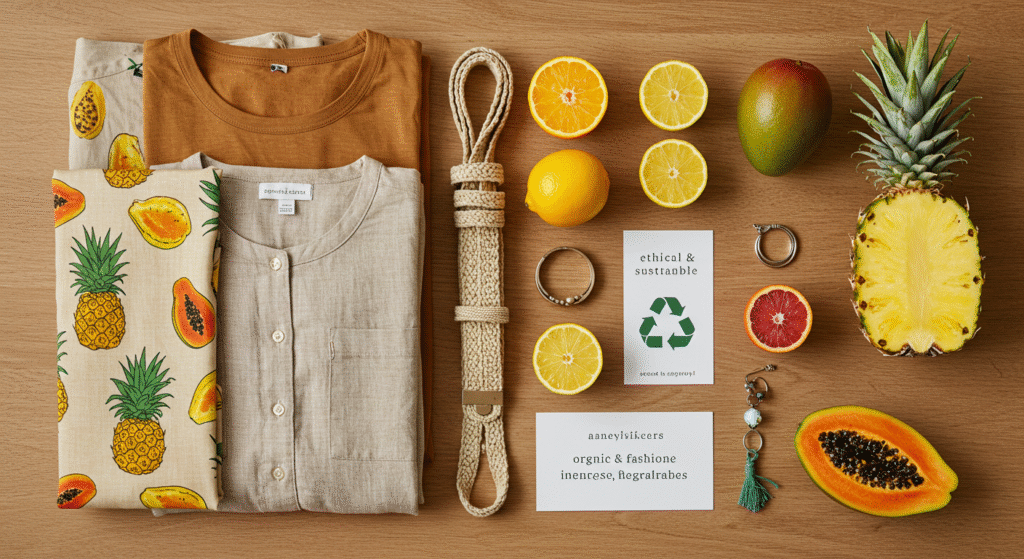
Fruitful fashion operates on several fundamental principles that distinguish it from conventional fashion trends. These principles form the foundation for a more conscious approach to personal styling that benefits both the individual and the broader community.
The first principle centers on natural fabrics and materials sourced responsibly from the environment. This includes organic cotton, linen, hemp, and innovative textiles derived from fruit waste and plant-based materials. These fabrics not only provide superior comfort and breathability but also reduce the environmental impact associated with synthetic material production.
Color psychology plays a crucial role in fruitful fashion, with vibrant prints and tropical patterns designed to evoke positive emotions and boost confidence. Research shows that wearing certain colors can influence mood, productivity, and social interactions, making color choice a powerful tool for personal transformation.
The sustainability aspect of fruitful fashion extends beyond material selection to encompass the entire lifecycle of garments. This includes supporting ethical brands that prioritize fair labor practices, implementing circular design principles that extend garment lifespan, and choosing versatile pieces that can be styled multiple ways.
The Psychology Behind Style Transformation
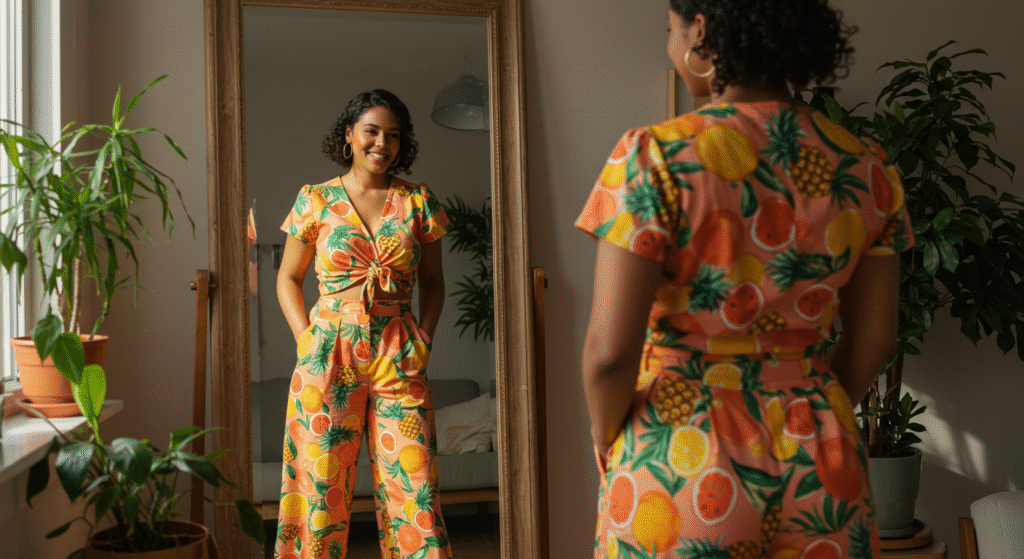
Understanding the psychological impact of clothing choices is essential to appreciating how fruitful fashion can transform personal style. When individuals make conscious decisions about their clothing, they create a deeper connection between their inner values and outer appearance.
Bold looks achieved through fruitful fashion principles often lead to increased self-confidence and improved self-perception. The act of choosing colorful outfits that reflect personal values creates a sense of authenticity that radiates through all aspects of life.
The concept of seasonal trends takes on new meaning within the fruitful fashion framework. Rather than following fleeting trends dictated by fast fashion cycles, individuals learn to adapt their summer wardrobe and other seasonal collections based on personal preference, lifestyle needs, and sustainable practices.
Eco-friendly designs contribute to a sense of purpose and social responsibility that many contemporary consumers seek. When individuals wear clothing that aligns with their environmental values, they experience a form of cognitive harmony that enhances overall well-being and satisfaction with their appearance.
Building a Foundation for Style Evolution

The journey toward embracing fruitful fashion begins with understanding current wardrobe limitations and identifying opportunities for positive change. Many individuals discover that their existing clothing collections lack coherence, sustainability, or personal meaning, creating the perfect opportunity for transformation.
Tropical fruit patterns and nature-inspired designs serve as excellent starting points for those new to this fashion philosophy. These patterns can be incorporated gradually into existing wardrobes through accessories, scarves, or statement pieces that add visual interest without requiring a complete wardrobe overhaul.
The integration of sustainable clothing trends into personal style requires careful consideration of quality over quantity. This means investing in fewer, higher-quality pieces that offer versatility, durability, and timeless appeal rather than accumulating numerous low-quality items that quickly lose their appeal or functionality.
Fashion-forward looks within the fruitful fashion movement often combine traditional craftsmanship with contemporary design elements. This approach creates unique pieces that stand out in a world saturated with mass-produced clothing while supporting artisans and sustainable production methods.
Practical Implementation Strategies
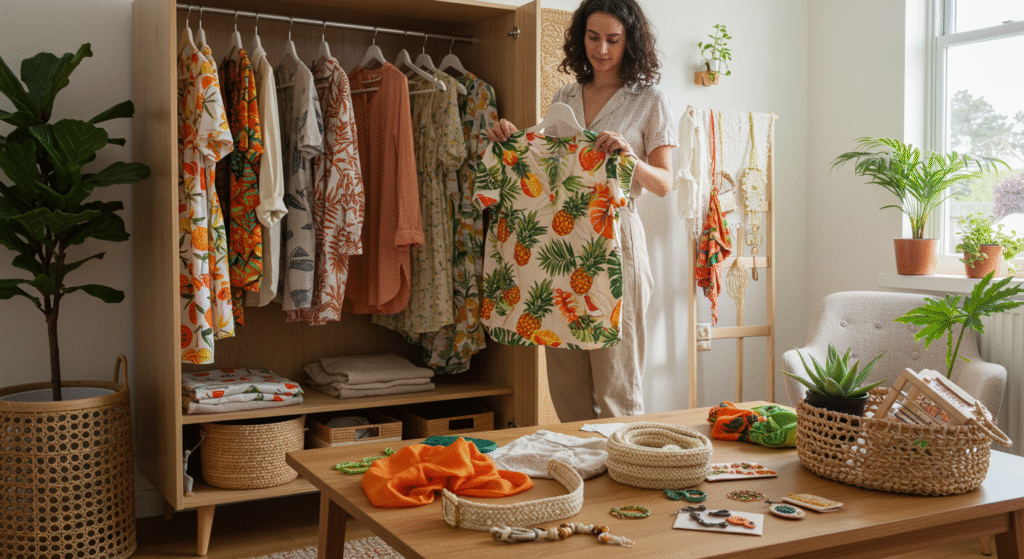
Implementing fruitful fashion principles requires a strategic approach that considers budget constraints, lifestyle needs, and personal preferences. The transformation process should be gradual and sustainable, allowing individuals to make informed decisions about each addition to their wardrobe.
The ethical fashion movement provides numerous resources and brands that align with fruitful fashion principles. Researching these options helps consumers make informed choices about where to invest their fashion budget while supporting companies that prioritize environmental and social responsibility.
Fresh and vibrant styles can be achieved through creative styling techniques that maximize the potential of existing wardrobe pieces. This includes learning to layer different textures and patterns, mixing vintage and contemporary pieces, and using accessories to create focal points that draw attention to favorite elements.
Understanding personal body type, lifestyle requirements, and color preferences forms the foundation for successful style transformation. These factors influence which fruitful fashion elements will be most effective for each individual, ensuring that the transformation process results in a wardrobe that truly serves their needs and reflects their personality.
Five Transformative Ways Fruitful Fashion Revolutionizes Personal Style
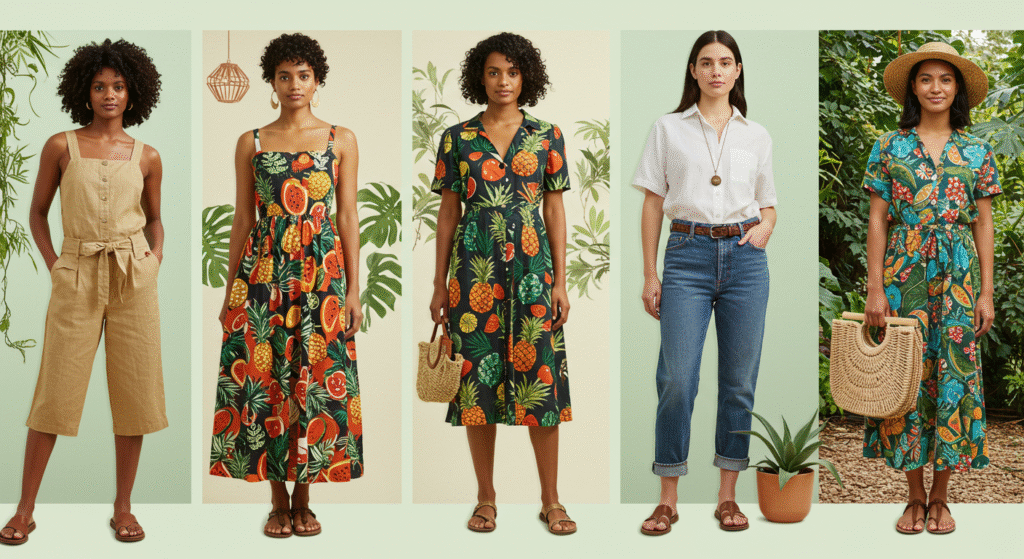
Fruitful fashion offers a comprehensive approach to style transformation that extends far beyond surface-level aesthetics. By embracing this philosophy, individuals can experience profound changes in how they perceive, purchase, and present themselves through clothing choices. The following five ways demonstrate how fruitful fashion creates a lasting impact on personal style and overall well-being.
1. Environmental Sustainability Becomes a Style Statement
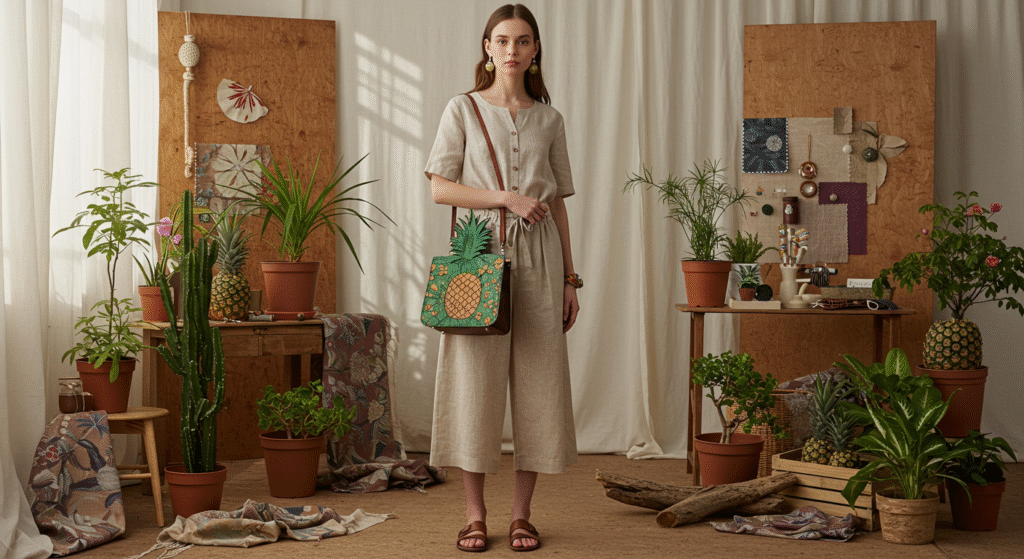
The first transformative aspect of fruitful fashion lies in its commitment to sustainable fabrics and production methods. This approach fundamentally changes how individuals view their clothing purchases, shifting from impulse buying to intentional selection of garments that support environmental health.
Natural fabrics such as organic cotton, linen, and hemp form the backbone of sustainable wardrobes. These materials not only provide superior comfort and durability but also decompose naturally at the end of their lifecycle, reducing textile waste in landfills. Many ethical brands now offer innovative textiles created from fruit waste, such as leather alternatives made from pineapple leaves or fabric dyes derived from berry extracts.
The sustainable clothing trends movement has introduced consumers to transparent supply chains, where they can trace the journey of their garments from raw materials to finished products. This transparency builds trust and creates deeper connections between consumers and the clothing they wear, transforming shopping from a superficial activity into a meaningful expression of values.
Eco-friendly designs often feature timeless silhouettes and versatile styling options that transcend seasonal trends. This longevity reduces the need for frequent wardrobe updates, saving money while reducing environmental impact. When individuals invest in quality pieces designed to last, they develop a more thoughtful relationship with their possessions and gain confidence in their style choices.
2. Bold Self-Expression Through Natural Inspiration
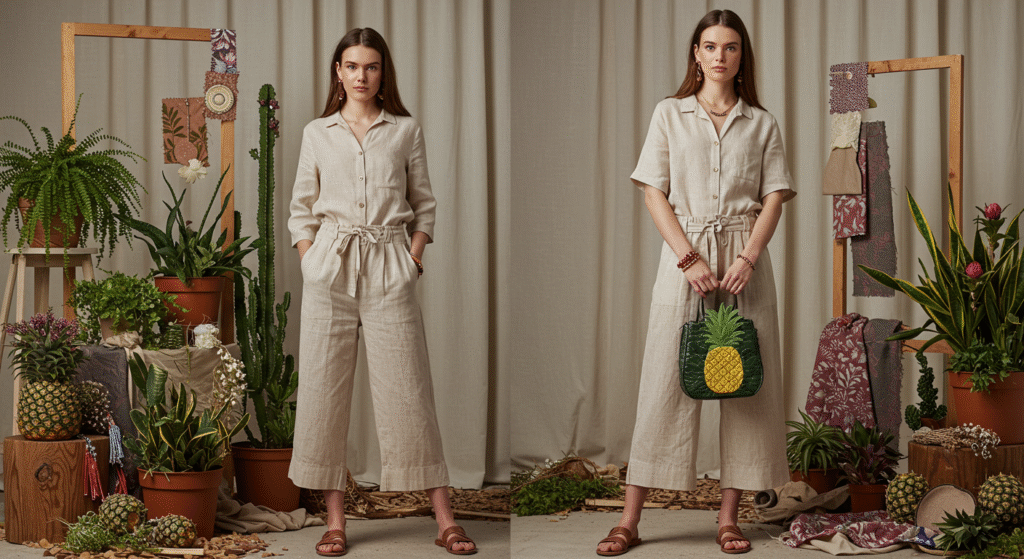
Fruitful fashion empowers individuals to express their personality through bold patterns and vibrant hues inspired by nature’s palette. This approach to self-expression differs significantly from following mainstream trends, as it encourages personal interpretation of natural beauty and individual creativity.
Tropical patterns and fruit-inspired motifs allow wearers to communicate joy, optimism, and connection to nature through their clothing choices. These colorful outfits often serve as conversation starters and mood enhancers, creating positive social interactions and boosting confidence levels throughout the day.
The psychology behind wearing bold looks involves increased self-awareness and a willingness to stand out from conventional fashion norms. Research indicates that individuals who wear distinctive clothing often experience enhanced creativity and improved problem-solving abilities, demonstrating the powerful connection between external appearance and internal mental states.
Fashion-forward looks within the fruitful fashion framework celebrate diversity and individuality rather than conformity. This celebration of uniqueness helps individuals develop stronger personal identities and reduces the anxiety associated with fitting in or meeting external expectations about appearance.
3. Seasonal Adaptability Without Compromising Values
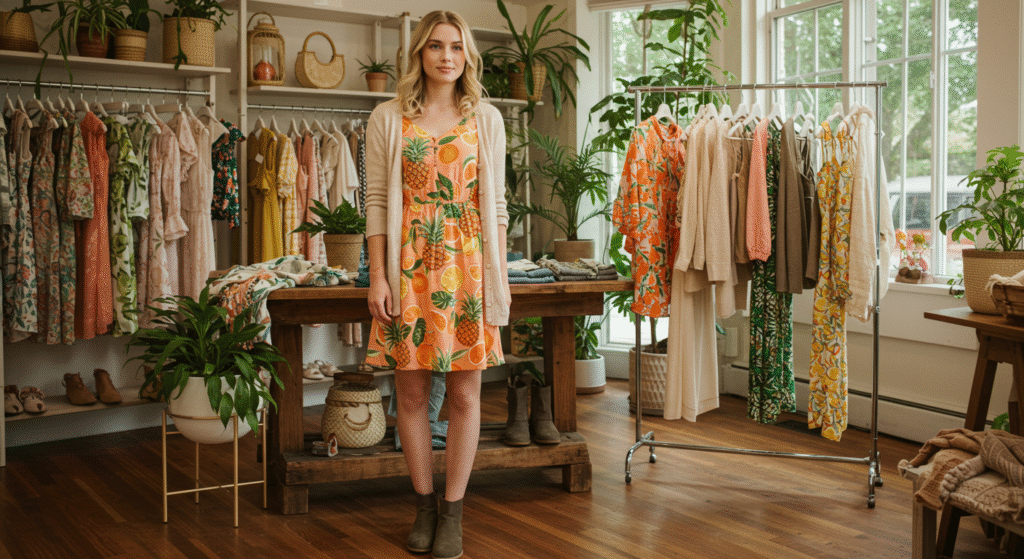
Traditional fashion cycles often pressure consumers to completely overhaul their wardrobes each season, leading to financial strain and environmental waste. Fruitful fashion offers a more sustainable approach to seasonal fashion updates that maintains style relevance while honoring personal values.
The concept of a summer wardrobe within fruitful fashion focuses on versatile pieces that can be layered, mixed, and matched to create multiple looks suitable for various occasions. Light natural fabrics provide comfort during warm weather while maintaining the quality and ethical production standards that define this movement.
Tropical fruit patterns and vibrant prints naturally align with summer aesthetics but can be incorporated into transitional and winter wardrobes through layering techniques and strategic styling. This versatility extends the usefulness of each garment and maximizes the value of wardrobe investments.
The adaptability of fruitful fashion pieces allows individuals to maintain consistency in their style identity across seasons while making minor adjustments for weather and occasion appropriateness. This consistency builds confidence and simplifies daily styling decisions.
4. Psychological Well-Being Through Conscious Consumption

The mental health benefits of embracing fruitful fashion extend beyond the immediate satisfaction of wearing beautiful clothing. This approach to style creates lasting positive changes in self-perception, decision-making processes, and overall life satisfaction.
Wearing ethical clothing that aligns with personal values reduces cognitive dissonance and creates internal harmony. When individuals know their clothing choices support fair labor practices and environmental protection, they experience a sense of purpose and contribution to positive change that enhances overall well-being.
The process of building a fresh wardrobe based on fruitful fashion principles requires mindful consideration of each purchase. This mindfulness practice extends beyond clothing decisions into other areas of life, promoting more intentional living and improved resource management skills.
Summer style inspiration derived from natural sources helps individuals reconnect with the environment and appreciate the beauty in everyday surroundings. This appreciation fosters gratitude and positive mental states that contribute to improved emotional resilience and life satisfaction.
5. Ethical Consumption Creates Community Impact
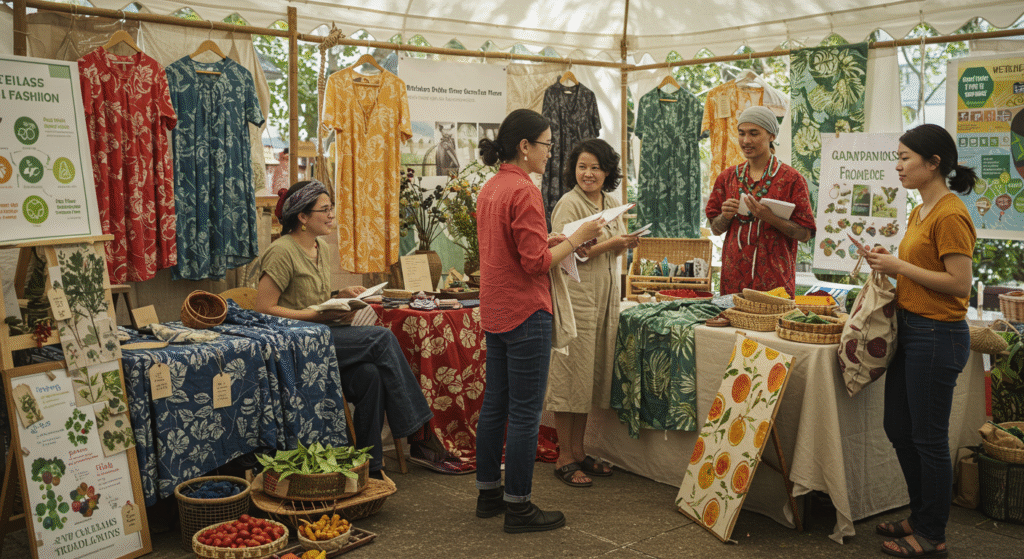
The fifth transformative aspect of fruitful fashion involves its broader social impact and the sense of community it creates among conscious consumers. By choosing ethical brands and supporting sustainable production methods, individuals become part of a movement that extends far beyond personal style.
Ethical fashion influencers and advocates help spread awareness about the importance of conscious consumption and provide inspiration for styling eco-conscious wardrobes. These communities offer support, education, and encouragement for individuals transitioning to more sustainable fashion choices.
The ripple effects of choosing sustainable clothing trends include supporting artisans, preserving traditional crafts, and encouraging innovation in textile production. These impacts create positive change in communities worldwide and demonstrate how personal style choices can contribute to broader social progress.
Natural dye clothing and other innovative production methods supported by fruitful fashion consumers help drive demand for research and development in sustainable textiles. This demand encourages continued improvement in environmental practices and creates economic incentives for companies to prioritize sustainability.
The transformation achieved through fruitful fashion encompasses environmental responsibility, personal expression, seasonal adaptability, psychological well-being, and social impact. This comprehensive approach to style evolution creates lasting changes that benefit both individuals and society as a whole, demonstrating the powerful potential of conscious fashion choices.
Practical Implementation: Incorporating Fruitful Fashion Into Daily Life

Successfully integrating fruitful fashion principles into everyday life requires strategic planning, mindful shopping habits, and creative styling techniques. This transformation doesn’t happen overnight, but with consistent effort and clear guidelines, anyone can build a wardrobe that reflects their values while maintaining personal style and functionality.
Strategic Wardrobe Planning for Long-Term Success

Effective wardrobe planning forms the foundation of any successful fruitful fashion journey. Begin by conducting a thorough inventory of existing clothing items, categorizing pieces based on quality, versatility, and alignment with sustainable principles. This assessment reveals gaps that need filling and identifies items that can be repurposed or donated.
Create a capsule wardrobe strategy that prioritizes quality over quantity. A well-planned capsule collection typically includes 30-40 versatile pieces that can be mixed and matched to create numerous outfit combinations. Focus on neutral colors as base pieces, then add personality through bold patterns and vibrant prints that reflect your individual taste.
Seasonal trends should complement rather than dictate your wardrobe choices. Plan seasonal transitions by identifying which pieces work across multiple seasons and which items require temporary storage. This approach reduces the need for extensive seasonal shopping while maintaining style relevance throughout the year.
Document your favorite outfit combinations through photos or a style journal. This record helps identify successful styling formulas and prevents impulse purchases of items that don’t integrate well with existing pieces. Over time, this documentation reveals personal style patterns and preferences that guide future fruitful fashion decisions.
Ethical Shopping Strategies and Brand Research

Navigating the world of ethical brands requires research skills and patience to identify companies that genuinely prioritize sustainability and fair labor practices. Start by researching brand transparency reports, certifications, and third-party assessments of environmental and social impact.
Look for certifications such as Global Organic Textile Standard (GOTS), Fair Trade, and B-Corporation status when evaluating potential purchases. These certifications indicate a verified commitment to sustainable fabrics, ethical production methods, and worker welfare standards.
Develop a shopping checklist that includes questions about fabric composition, production location, and company values. Natural fabrics like organic cotton, linen, and hemp should be prioritized over synthetic alternatives whenever possible. Research innovative materials such as Tencel, made from sustainably sourced wood pulp, and fabrics derived from agricultural waste.
Consider the true cost per wear when evaluating price points. High-quality ethical clothing may require larger initial investments but often provides better value over time due to superior durability and timeless design. Calculate cost per wear by dividing the purchase price by expected number of wears over the garment’s lifetime.
Styling Techniques for Maximum Versatility
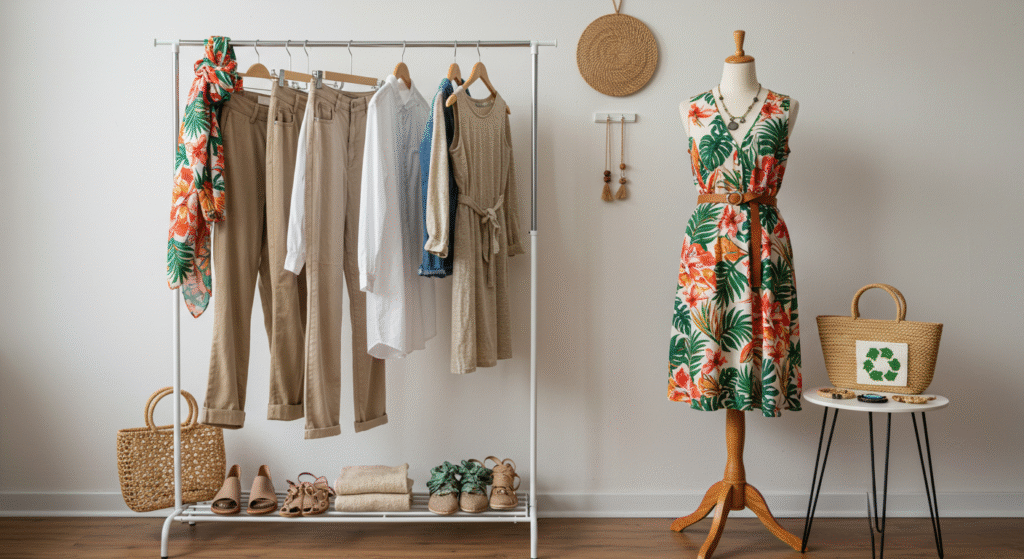
Mastering versatile styling techniques maximizes the potential of every piece in your fruitful fashion wardrobe. Learn to layer different textures and weights to create visual interest while adapting outfits for various occasions and weather conditions.
Color coordination becomes particularly important when working with tropical patterns and bold looks. Develop an understanding of color theory to confidently mix patterns and textures without creating visual chaos. Use the 60-30-10 rule: 60% neutral base, 30% complementary color, and 10% accent color for balanced compositions.
Accessories play a crucial role in transforming basic outfits into distinctive looks. Invest in quality accessories made from sustainable materials that can elevate simple pieces and extend outfit possibilities. Scarves, belts, jewelry, and bags should complement rather than compete with your clothing’s natural beauty.
Learn the art of transitional styling to extend the usefulness of summer wardrobe pieces into cooler seasons. Layer lightweight cardigans over sleeveless dresses, add tights under shorts, or wear button-down shirts as light jackets over tank tops. These techniques maximize wardrobe value while maintaining style integrity.
Building Relationships with Local and Small Businesses
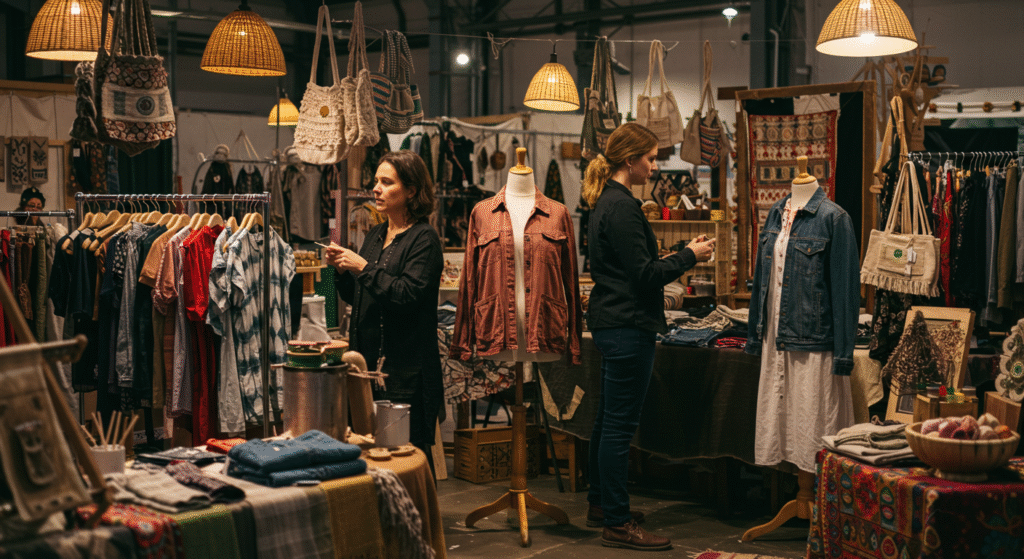
Supporting local designers and small businesses strengthens communities while often providing access to unique, high-quality pieces that embody fruitful fashion principles. Research local artisans who create clothing using sustainable clothing trends and ethical production methods.
Attend local fashion events, farmers markets, and craft fairs to discover emerging designers who prioritize eco-friendly designs and transparent production processes. These venues provide opportunities to meet creators personally and learn about their design philosophies and production methods.
Consider commissioning custom pieces from local seamstresses or designers who can create garments tailored to your specific measurements and style preferences. Custom clothing often provides superior fit and longevity compared to mass-produced alternatives while supporting local craftsmanship.
Develop relationships with local alteration services to extend the life of existing garments and improve the fit of new purchases. Professional alterations can transform ill-fitting pieces into perfectly tailored garments that enhance your silhouette and increase wearing frequency.
Maintenance and Care for Longevity

Proper garment care significantly extends the lifespan of fruitful fashion pieces and maintains their appearance and functionality over time. Learn appropriate care techniques for different natural fabrics to prevent premature wear and maintain color vibrancy.
Invest in quality hangers, cedar blocks, and garment bags to protect clothing during storage. Wooden or padded hangers maintain garment shape better than wire alternatives, while cedar blocks provide natural moth protection without harsh chemicals.
Develop a rotation system that ensures even wear across all wardrobe pieces. This prevents over-wearing favorite items while neglecting others, maintaining the overall condition of your collection. Regular rotation also helps identify pieces that aren’t earning their space in your closet.
Learn basic mending and repair skills to address minor issues before they become major problems. Simple techniques like sewing buttons, mending small tears, and removing stains can significantly extend garment life and reduce the need for premature replacement.
Creating a Personal Style Evolution Timeline
Transforming your style through fruitful fashion principles requires patience and realistic timeline expectations. Plan your transformation in phases, starting with essential pieces that form the foundation of your new wardrobe approach.
Phase one should focus on acquiring basic pieces in sustainable fabrics that complement your lifestyle and body type. These foundation pieces provide the building blocks for more creative styling as you develop confidence in your fresh wardrobe approach.
Phase two involves adding personality through colorful outfits and fashion-forward looks that reflect your individual taste while maintaining commitment to ethical production. This phase allows for more creative expression and experimentation with vibrant hues and patterns.
The final phase focuses on refining your personal style signature and becoming a conscious consumer who influences others through example. This stage involves sharing knowledge about sustainable clothing trends and inspiring friends and family to consider their own fruitful fashion journey.
By following these practical implementation strategies, anyone can successfully incorporate fruitful fashion principles into their daily life while creating a wardrobe that reflects personal values and supports positive environmental and social change.
Final Thoughts: Embracing the Future of Conscious Style
The journey toward fruitful fashion represents more than a simple wardrobe makeover. It embodies a fundamental shift in how we approach personal style, environmental responsibility, and social consciousness. By implementing the five transformative ways discussed throughout this guide, individuals can create meaningful change that extends far beyond their closets.
Fruitful fashion offers a pathway to authentic self-expression while contributing to positive environmental and social impact. The movement demonstrates that looking good and doing good are not mutually exclusive goals. Instead, they complement each other perfectly, creating a harmonious approach to personal styling that benefits both the individual and the broader community.
The sustainability principles underlying fruitful fashion provide structure for long-term wardrobe planning and decision-making. When consumers prioritize natural fabrics, support ethical brands, and choose quality over quantity, they participate in a collective effort to transform the fashion industry from within.
Personal transformation through fruitful fashion requires patience, commitment, and willingness to challenge conventional shopping habits. However, the rewards include enhanced self-confidence, improved environmental consciousness, and a deeper connection between personal values and daily choices. These benefits compound over time, creating lasting positive change that extends into all areas of life.
The community aspect of fruitful fashion cannot be overlooked. By choosing sustainable clothing trends and supporting ethical fashion influencers, individuals join a growing movement of conscious consumers who prioritize transparency, fairness, and environmental stewardship in their purchasing decisions.
As the movement continues to grow, fruitful fashion will likely become more accessible and mainstream. Early adopters play a crucial role in driving this transformation by demonstrating demand for eco-friendly designs and proving that sustainable options can be both stylish and practical.
Frequently Asked Questions About Fruitful Fashion
What is a fruitful fashion?
Fruitful fashion is a sustainable approach to personal style that combines nature-inspired designs with ethical production practices. This movement emphasizes the use of natural fabrics, sustainable materials, and eco-friendly designs to create wardrobes that reflect both individual personality and environmental responsibility.
The concept draws inspiration from fruits and natural elements, incorporating tropical patterns, vibrant hues, and organic textures into clothing designs. However, fruitful fashion extends beyond aesthetics to encompass fair labor practices, transparent supply chains, and circular design principles that minimize environmental impact.
Fruitful fashion encourages consumers to view their wardrobe as an investment in personal values rather than a collection of disposable items. This philosophy promotes thoughtful purchasing decisions, quality over quantity, and long-term style satisfaction that transcends seasonal trends.
The movement also emphasizes versatility and adaptability, with pieces designed to serve multiple functions and complement various styling approaches. This versatility reduces the need for extensive wardrobe collections while maintaining style diversity and personal expression opportunities.
What fashion brand did Audrey Hepburn wear?
Audrey Hepburn was renowned for her collaboration with French designer Hubert de Givenchy, who created many of her most iconic looks both on and off screen. Givenchy’s designs for Hepburn embodied timeless elegance and sophisticated simplicity that aligned perfectly with early fruitful fashion principles.
Hepburn’s style choices often featured natural fabrics like silk, cotton, and wool in classic silhouettes that emphasized quality construction and versatile styling potential. Her preference for neutral colors with occasional bold patterns created a cohesive personal style that remained relevant across decades.
The Hepburn-Givenchy partnership demonstrated how ethical clothing relationships between designers and clients could create authentic personal style rather than following fleeting trends. Their collaboration emphasized craftsmanship, attention to detail, and timeless design principles that continue to influence contemporary sustainable fashion approaches.
Modern interpretations of Hepburn’s style often incorporate fruitful fashion elements such as organic materials, ethical production methods, and versatile pieces that can be styled multiple ways. Her approach to accessories and minimalist styling continues to inspire conscious consumers seeking elegant, sustainable wardrobe solutions.
What is Gen Z fashion style?
Gen Z fashion style is characterized by bold self-expression, sustainability consciousness, and rejection of traditional fashion rules. This generation prioritizes ethical brands, eco-friendly designs, and sustainable clothing trends while embracing diverse aesthetic influences from multiple decades and cultures.
Colorful outfits and bold patterns feature prominently in Gen Z styling, often combined in unexpected ways that challenge conventional color coordination rules. This generation views fashion as a form of personal storytelling and social commentary, using clothing choices to communicate values and identity.
Thrift shopping, vintage collecting, and DIY customization align perfectly with fruitful fashion principles, as Gen Z consumers seek unique pieces while minimizing environmental impact. They often mix high-end ethical clothing with secondhand finds and handmade items to create distinctive personal styles.
Gen Z’s approach to seasonal trends involves selective adoption rather than wholesale trend following. They curate fresh wardrobe pieces based on personal preference and values rather than external pressure, creating individualized style expressions that prioritize authenticity over conformity.
Why is Zara called fast fashion?
Zara earned the fast fashion label due to its rapid design-to-retail cycle, which can produce new styles in as little as two weeks. This speed-focused approach contrasts sharply with fruitful fashion principles that emphasize thoughtful design, quality construction, and sustainable production timelines.
Fast fashion brands like Zara prioritize volume and speed over sustainability, often using synthetic materials and overseas manufacturing to minimize costs and maximize profit margins. This approach creates clothing designed for short-term use rather than the durability emphasized in fruitful fashion.
The environmental impact of fast fashion includes excessive water consumption, chemical pollution, and textile waste that contradict the eco-friendly designs and natural fabrics promoted by sustainable clothing trends. Fast fashion’s business model relies on frequent consumer purchases rather than long-term wardrobe investment.
However, some fast fashion retailers are beginning to incorporate sustainable practices in response to consumer demand for ethical clothing options. These changes include sustainable material sourcing, improved labor conditions, and clothing recycling programs that align more closely with fruitful fashion values.
How can I start my fruitful fashion journey on a budget?
Beginning a fruitful fashion transformation doesn’t require significant financial investment. Start by shopping your existing wardrobe to identify versatile pieces that align with sustainable principles, then focus on strategic additions rather than complete replacement.
Thrift stores, consignment shops, and clothing swaps provide access to quality pieces at affordable prices while supporting circular fashion principles. Look for natural fabrics and classic silhouettes that can be styled multiple ways and worn across seasons.
Invest in quality accessories that can transform basic outfits into distinctive looks. Scarves, belts, and jewelry made from sustainable materials often provide more styling versatility per dollar spent than clothing items.
Learn basic clothing care and alteration skills to extend the life of existing pieces and improve their fit. Proper maintenance can significantly increase garment longevity while basic alterations can update older pieces to better reflect your evolving style preferences.
The fruitful fashion movement continues to grow as more consumers recognize the connection between personal choices and global impact. By embracing these principles, individuals can create wardrobes that reflect their values while looking and feeling their best.