The landscape of education is continuously shifting, driven by the need for more dynamic and effective teaching methods. As educators and parents seek tools that can captivate students’ attention and improve learning retention, the demand for innovative solutions has never been higher. Enter Gimkit Home, an educational platform specifically designed to make learning a more active and enjoyable process. It moves beyond traditional study methods by incorporating gamified learning into its core, transforming standard lessons into compelling challenges. This approach is particularly vital in diverse educational settings, including traditional classrooms, remote learning environments, and homeschooling programs.
The platform’s strength lies in its ability to blend education with mechanics that students find familiar and motivating. By creating an environment where curiosity is rewarded, Gimkit Home fosters a positive relationship with learning. Its features are built to support both educators and learners, providing a structured yet flexible framework for academic growth. This powerful combination of features makes it a standout tool for boosting student engagement and achieving better educational results.
| Feature Overview | Key Benefits |
| Customizable Quizzes | Allows educators to create tailored content for specific curriculum needs. |
| Game-Based Learning | Increases student motivation and participation through fun mechanics. |
| Performance Analytics | Provides detailed insights into student progress and identifies knowledge gaps. |
| Team Collaboration | Encourages teamwork and peer to peer learning in a supportive setting. |
| Asynchronous Options | Offers flexibility for self paced study in remote and homeschool settings. |
What is Gimkit Home and How Does It Reshape Education?
Gimkit Home is a specialized version of the popular Gimkit platform, adapted to meet the needs of learners outside of a conventional classroom. It leverages interactive learning to help students master subjects through repetition and strategy, not just rote memorization. The core of the experience revolves around customizable quizzes that educators or parents can create from scratch or adapt from a vast library of existing content. This flexibility makes it a powerful tool for reinforcing lessons on any topic, from mathematics and science to history and literature. By turning study sessions into live games, the platform helps solidify knowledge and makes the educational journey more memorable.
The rise of virtual classrooms and alternative schooling models has highlighted the need for tools that can bridge the physical distance between teachers and students. Gimkit Home excels in this area by providing a structured platform for asynchronous learning, where students can complete assignments at their own pace. This is fundamental for homeschooling families and students participating in remote learning, as it accommodates different schedules and learning styles. The platform’s design ensures that independent study does not mean isolated learning. With features that promote healthy competition and cooperation, it keeps students connected and motivated.
The Power of Gamified Learning in Education
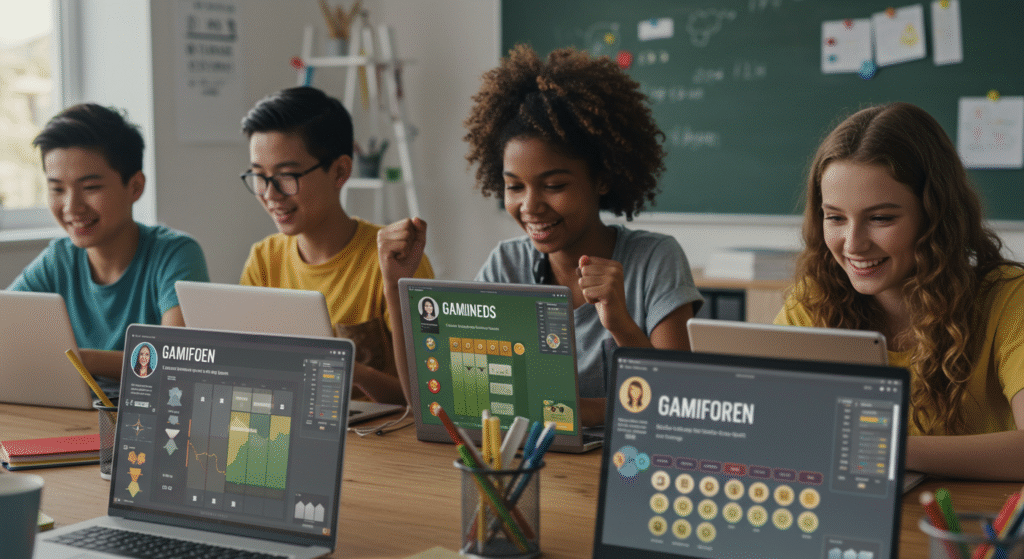
The concept of using game mechanics in non game contexts, or gamified learning, is a cornerstone of the Gimkit Home experience. Instead of simply answering questions, students earn virtual currency for correct responses, which they can then use to acquire upgrades and advantages within the game. This simple economic system adds a layer of strategic thinking to the learning process. Students are not just trying to recall information; they are making decisions on how to best use their resources to succeed. This strategic element is a key driver of student engagement, as it provides a sense of agency and control over their learning journey.
This method of game-based learning has shown significant positive effects on learning outcomes. When students are actively involved and invested in the process, they are more likely to retain information. The immediate feedback loop, where correct answers are rewarded and incorrect ones are simply learning opportunities, reduces the anxiety often associated with testing. Features like real-time leaderboards add a competitive edge that can motivate students to perform at their best, while team collaboration modes teach valuable social skills and foster a sense of shared purpose. The result is a more resilient and confident learner.
A Closer Look at Core Features and Functionality
To understand why Gimkit Home is such an effective educational platform, it is important to examine its specific features. The ability to create customizable quizzes is perhaps its most significant asset for educators. Teachers can align the content directly with their lesson plans, ensuring that the games reinforce what is being taught in the curriculum. This level of personalization makes the tool adaptable to any subject or grade level.
Furthermore, the platform’s performance analytics provide educators with deep insights into student progress. The teacher dashboard offers a clear view of which concepts students have mastered and where they might be struggling. This data allows for timely interventions and adjustments to teaching strategies, ensuring that every student receives the support they need to succeed. The combination of engaging gameplay and robust teacher tools makes Gimkit Home a comprehensive solution for modern educational challenges. By focusing on both student engagement and measurable learning outcomes, it offers a balanced approach to education that is both fun and effective.
Diving Deep into Gimkit Home’s Functionality
The true measure of any educational platform is how its features translate into tangible benefits for both educators and students. Gimkit Home offers a suite of functionalities designed to create a productive and stimulating learning environment. These tools are not just about making learning fun; they are engineered to support curriculum goals, provide clear feedback, and improve learning outcomes. From quiz creation to detailed learning analytics, the platform provides a robust framework for effective instruction. Let’s explore the specific components that make this platform a powerful asset for modern education.
The versatility of Gimkit Home allows it to be adapted for numerous use cases. Whether it’s for reviewing material before a test, introducing a new topic, or assigning homework, the platform’s interactive tools can be configured to fit the situation. This adaptability is crucial for maintaining student motivation across different subjects and grade levels. By offering various game modes and opportunities for team collaboration, it caters to diverse learning preferences, ensuring that every student has a way to connect with the material. This deep functionality supports everything from individual study to whole-class activities, making it a cornerstone of a flexible teaching strategy.
Can You Play Gimkit at Home?
Yes, you can absolutely play Gimkit at home. The Gimkit Home platform was specifically developed for this purpose, providing an ideal solution for homeschooling and remote learning. Unlike the live, classroom-centric version of Gimkit, this version supports asynchronous learning, meaning students can access and complete assignments on their own schedule. This flexibility is a significant advantage for parents and educators who need to manage varied routines. It ensures that high-quality game-based learning is accessible outside of a traditional school setting.
Students can join games using a code provided by their teacher or parent, allowing them to participate in customizable quizzes from any location with an internet connection. The experience retains the core mechanics of the original platform, including earning in-game currency and using power-ups. This makes homework and independent study feel less like a chore and more like a challenge. The platform’s design for home use makes it one of the best tools for remote education, promoting continued student engagement even when students are not physically in a classroom.
Exploring the Core Mechanics of Gimkit Home
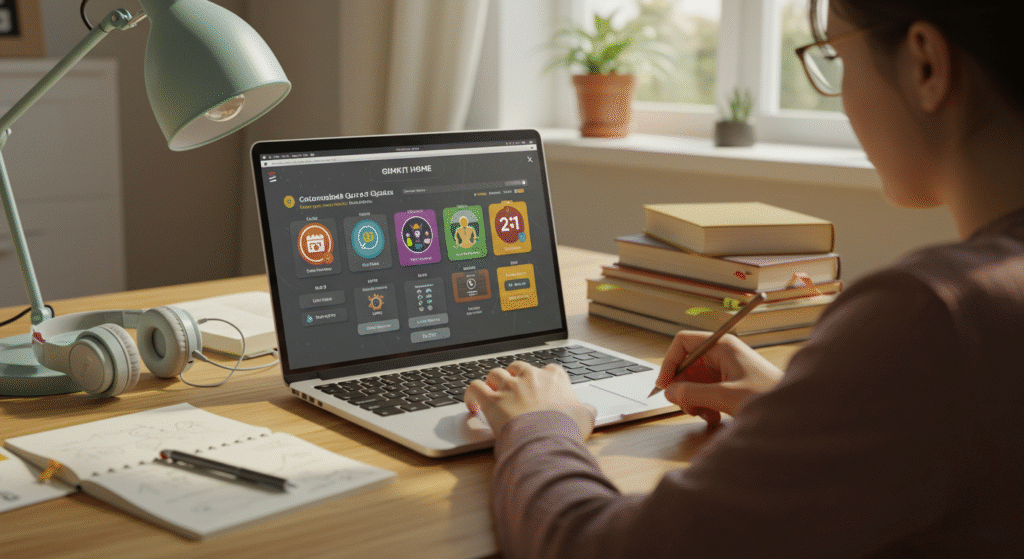
The platform’s success is built upon a foundation of well-designed mechanics that foster both competition and learning. The central loop involves students answering questions to earn virtual money, which they can then invest in various upgrades to increase their earning potential. This introduces a layer of economic strategy, requiring students to think critically about risk and reward. This process of active decision-making transforms passive learning into an active experience, which is a key principle of effective gamification in education.
Here’s a breakdown of the key mechanics:
- Quiz Creation and Customization: Educators have full control over the content. They can build customizable quizzes from the ground up, import existing question sets, or modify kits shared by other teachers. This ensures that the learning games are perfectly aligned with specific curriculum objectives.
- Student Progress Tracking: A critical feature for any educational tool is the ability to monitor student performance. Gimkit Home provides comprehensive performance analytics that show how individual students and the class as a whole are doing. This data is invaluable for identifying areas where students might need extra help and for tracking student performance over time.
- Multiple Game Modes: To keep the experience fresh, the platform offers various game modes. Some are competitive, focusing on individual achievement with real-time leaderboards, while others emphasize team collaboration, requiring students to work together to reach a common goal. This variety helps cater to different student personalities and learning styles.
These mechanics work together to create a dynamic ecosystem that supports knowledge retention. By repeatedly engaging with the material in a low-stakes, high-feedback environment, students can solidify their understanding of complex topics.
How Old Was Josh Feinsilber When He Made Gimkit?
Josh Feinsilber was a high school student when he created Gimkit as a school project. His experience as a student gave him unique insight into what makes a learning tool truly effective from a user’s perspective. He wanted to create something that he and his friends would genuinely want to use for studying. This origin story is a testament to the platform’s student-centered design and its focus on making the learning environment more enjoyable.
The development of Gimkit from a student’s project into a widely used educational platform highlights a key trend in educational technology: the importance of user experience. Feinsilber understood that for a tool to be successful, it had to do more than just present information. It needed to capture and hold students’ attention. This philosophy is evident in every aspect of Gimkit Home, from its intuitive interface to its rewarding gameplay loops, which are all geared toward improving student engagement.
What Is the Rarest Gim in Gimkit?
Within the world of Gimkit, “Gims” are cosmetic avatars that students can acquire to customize their in-game appearance. While the specific rarity of Gims can change with updates and special events, some of the rarest are often tied to limited-time promotions or specific achievements. Characters like “Josh,” modeled after the creator, are often cited by the community as being particularly rare and desirable.
While cosmetic items like rare Gims may seem peripheral to the educational goals, they play an important role in student motivation. The desire to collect rare items can be a powerful incentive for students to participate more frequently and put more effort into the games. This is a clever application of gamification benefits in education, using collectibles to encourage repeated engagement with academic content. It adds a layer of personalization and fun that helps make the Gimkit Home experience a more compelling one for young learners.
Fostering a Collaborative and Competitive Spirit

Gimkit Home expertly balances individual competition with opportunities for teamwork. The platform’s real-time leaderboards tap into students’ natural desire to compete, encouraging them to answer questions quickly and accurately to see their names rise to the top. This friendly competition can be a powerful motivator, pushing students to review material more thoroughly so they can perform well. It turns studying into a performance, adding a sense of immediacy to the learning process.
At the same time, the platform strongly supports team collaboration. In team-based game modes, students must work together, combining their knowledge to achieve a collective score. This fosters communication, peer teaching, and shared responsibility. Students learn to rely on each other’s strengths and support each other in areas of weakness. These collaborative experiences are vital for developing the social skills necessary for success in both academic and professional settings. The platform’s ability to facilitate both competition and collaboration makes it a versatile tool for building a well-rounded set of skills. This focus on cooperative learning is a key part of what makes it an effective interactive learning platform.
The Future of Education Technology and Gimkit Home’s Role
The trajectory of educational technology is pointing towards more personalized, adaptive, and data-informed experiences. As we look ahead, the integration of gamification in education is set to become even more sophisticated. The future of learning platforms lies not just in presenting information but in creating immersive ecosystems that adapt to individual student needs. This evolution will likely involve more advanced learning analytics and adaptive algorithms that can adjust the difficulty and content of lessons based on a student’s performance. The goal is to create a truly personalized learning journey for every student.
Gimkit Home is well-positioned to be a significant part of this future. Its existing framework, which combines customizable quizzes with engaging game mechanics, provides a solid foundation for more advanced features. As technology progresses, we can anticipate platforms like Gimkit Home incorporating more complex simulations, narrative-driven learning adventures, and even elements of virtual and augmented reality to make interactive learning more powerful. The emphasis will continue to shift from simple question-and-answer formats to problem-solving and critical thinking within a gamified context. This forward-looking approach ensures that the platform will remain relevant and effective as the needs of educators and students continue to evolve.
Integrating Adaptive Learning and AI
One of the most promising frontiers for the future of education technology is the integration of adaptive learning. Imagine a Gimkit Home experience where the platform’s algorithm recognizes that a student is struggling with a particular concept. Instead of just marking the answer as incorrect, the system could automatically generate a mini-lesson or a different style of question to help clarify the topic. This level of responsiveness would make the learning environment truly dynamic, providing targeted support exactly when it is needed.
This is where the power of performance analytics becomes even more critical. By collecting and analyzing data on student interactions, future versions of the platform could build a detailed profile of each learner’s strengths and weaknesses. This data could then be used to create customizable learning platforms that are not just personalized by the teacher, but are actively being personalized by the system in a continuous feedback loop. This would greatly enhance learning retention and help students build confidence by mastering concepts at their own pace.
The Growing Importance of Soft Skills Development
While academic knowledge is crucial, future-focused educational tools will also need to place a greater emphasis on the development of soft skills. Abilities such as critical thinking, problem-solving, communication, and collaboration are essential for success in the 21st-century workforce. Game-based learning is uniquely suited to fostering these skills in a natural and organic way.
Gimkit Home already promotes some of these skills through its team collaboration modes, where students must work together to succeed. Future iterations could expand on this by introducing more complex, project-based challenges that require long-term planning and communication. For example, a game mode might task a team of students with managing a virtual budget to build a city, with academic questions unlocking new resources. This type of integrated learning, where subject matter knowledge is applied to solve a larger problem, is key to developing well-rounded individuals. This approach to student engagement goes beyond simple memorization and encourages higher-order thinking.
Preparing Students for a Digital Future
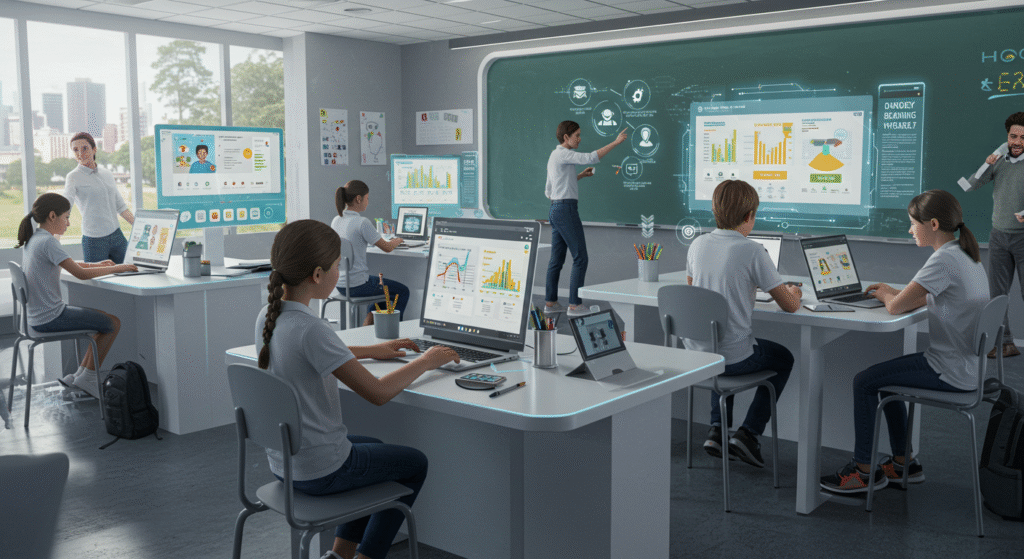
As technology becomes more integrated into every aspect of our lives, digital literacy is no longer an optional skill. Educational platforms like Gimkit Home play an important role in preparing students for a future where they will need to navigate complex digital environments. By interacting with the platform, students are not just learning academic content; they are also developing fundamental digital skills. They learn how to interact with different interfaces, manage virtual resources, and collaborate with peers in an online setting.
This early exposure to online learning tools helps build a foundation of technical confidence that will serve students throughout their lives. The use of virtual classrooms and digital classrooms is becoming more common, and platforms that make this experience positive and productive are invaluable. Gimkit Home contributes to this by providing a structured and safe online space for learning, making it an essential component of a modern educational strategy.
Final Thoughts:
The journey through the world of Gimkit Home reveals a powerful truth: when learning is made active, engaging, and enjoyable, students thrive. This educational platform has successfully harnessed the principles of gamified learning to create a tool that meets the needs of modern educators and learners in a variety of settings, from traditional classrooms to homeschooling. With its focus on customizable quizzes, robust performance analytics, and features that promote both competition and team collaboration, it provides a comprehensive solution for improving student engagement and boosting learning retention.
As we move forward, the role of educational technology will only grow, and platforms that prioritize an effective and motivating user experience will lead the way. Gimkit Home is more than just a fun way to study; it is a glimpse into the future of education—a future where learning is not a passive reception of information but an interactive adventure. By continuing to innovate and adapt, this platform is set to remain a vital tool for educators who are committed to helping their students succeed.
Are you ready to transform your teaching approach and see a marked improvement in student participation and understanding? Explore Gimkit Home today and discover how game-based learning can make a real difference in your learning environment.
Frequently Asked Questions
What is Gimkit Home?
Gimkit Home is a specialized version of the popular educational platform designed for use outside the traditional classroom. It supports remote learning and homeschooling by allowing students to engage in game-based learning at their own pace through asynchronous learning modules.
Can you play Gimkit at home?
Yes, absolutely. Gimkit Home was created specifically for individual use, making it a perfect tool for homework, review, and homeschooling. Students can join games and complete customizable quizzes from the comfort of their home, ensuring continuous student engagement.
How does Gimkit Home improve learning?
The platform uses gamified learning to make studying more enjoyable and effective. This approach boosts student motivation and improves learning retention by turning quizzes into interactive challenges. Features like performance analytics also help educators track progress and adjust their teaching workflows.
What are the main benefits for teachers and parents?
Educators and parents can use powerful teacher tools for quiz creation and student progress tracking. The platform’s detailed analytics provide insights into learning outcomes, helping identify areas where a student might need extra support.
How old was Josh Feinsilber when he made Gimkit?
Josh Feinsilber was a high school student when he created Gimkit as a class project. His goal was to build a learning tool that he and his friends would find genuinely enjoyable, which is why the platform is so focused on student-centered learning.