The internet has witnessed countless moments that changed digital culture forever, but few have sparked as much controversy and debate as celebrity leaks. These privacy invasions have exposed the dark side of fame in the digital age, revealing how vulnerable even the most protected public figures can be to cyberattacks and data breaches.
When private photos and videos of Hollywood’s biggest stars suddenly appeared across social media platforms, the entertainment industry faced an unprecedented crisis. The aftermath of these Hollywood scandals not only destroyed careers but also sparked crucial conversations about digital privacy and personal security in an interconnected world.
| Major Celebrity Leak Events | Key Details |
| • 2014 Celebgate Incident | Mass iCloud hack affecting 500+ private images |
| • Spear-phishing Attacks | Targeted email scams compromising celebrity accounts |
| • Social Media Accidents | Accidental posts revealing private content |
| • Revenge Leaks | Malicious releases by former partners or associates |
| • Corporate Data Breaches | Security failures at major tech companies |
What Happened in the Celebrity Photo Leak?
The most devastating wave of nude photo leaks began in August 2014 when an anonymous hacker released hundreds of private images stolen from celebrity iCloud accounts. This event, which became known as “Celebgate” or “The Fappening,” marked a turning point in how society viewed celebrity privacy violations.
The attack started on the infamous 4chan message board, where the hacker posted a collection of intimate photos featuring some of Hollywood’s most recognizable faces. Within hours, these images spread across the internet like wildfire, appearing on social media platforms, gossip websites, and file-sharing networks. The social media frenzy that followed was unlike anything the entertainment industry had experienced before.
What made this particular incident so shocking was not just the scale of the breach, but the high-profile nature of the victims involved. A-list actresses, musicians, and public figures found their most private moments exposed to millions of strangers worldwide. The psychological impact on these celebrities was immense, with many describing the experience as a form of sexual assault.
The technical methods behind these cyberattacks on celebrities were surprisingly sophisticated. Rather than exploiting a single security flaw, the perpetrators used a combination of techniques including spear-phishing attacks, password guessing, and social engineering. They specifically targeted Apple’s iCloud service, which many celebrities used to automatically backup their photos and videos.
The Immediate Aftermath
The response to these famous photo leaks was swift and multifaceted. Law enforcement agencies launched investigations, tech companies scrambled to improve their security measures, and the affected celebrities began pursuing legal action. However, the damage had already been done. Once these images entered the digital ecosystem, removing them completely became virtually impossible.
Public reaction was deeply divided. While many people condemned the privacy invasion and expressed sympathy for the victims, others actively sought out the leaked content. This moral divide highlighted society’s complex relationship with celebrity culture and privacy rights in the digital age.
The entertainment industry itself was forced to confront uncomfortable truths about how it protected its most valuable assets – the stars themselves. Publicists, managers, and studio executives realized that traditional security measures were inadequate in an era where a single data breach could destroy careers and reputations overnight.
Beyond the Initial Shock
As investigations unfolded, the true scope of the data breach became apparent. This wasn’t a random attack by amateur hackers, but rather a coordinated effort by individuals who had been planning and executing these breaches for months, if not years. The systematic nature of the attack revealed significant vulnerabilities in how celebrities and their representatives approached digital security.
The incident also exposed the dangerous intersection of technology, fame, and exploitation. Many of the targeted individuals had taken these private photos in the context of intimate relationships, never imagining they would be weaponized against them. The violation felt particularly cruel because it turned moments of personal vulnerability into public spectacles.
This first section establishes the foundation for understanding how celebrity leaks have evolved from isolated incidents into a pervasive threat that continues to shape how public figures interact with technology while safeguarding their privacy in today’s highly connected world.
The Methods and Victims Behind the Breaches
How Did the Photos Get Leaked?
The technical sophistication behind celebrity leaks often surprises cybersecurity experts. These attacks weren’t the work of amateur hackers stumbling upon security flaws, but rather coordinated efforts involving multiple attack vectors and months of careful planning.
Spear-Phishing Campaigns
The most successful method employed by attackers involved spear-phishing attacks specifically tailored to high-profile targets. Unlike generic phishing emails sent to thousands of recipients, these campaigns were meticulously crafted for individual celebrities. Hackers would research their targets extensively, learning about their personal relationships, upcoming projects, and daily routines.
A typical attack would begin with an email appearing to come from a trusted source, such as a talent agent, photographer, or even a fellow celebrity. These messages often contained urgent requests for password resets or account verification, complete with official-looking logos and formatting that mimicked legitimate communications from Apple, Google, or other major tech companies.
The Jennifer Lawrence iCloud hack exemplified this approach. Investigators discovered that the actress had received multiple convincing emails claiming to be from Apple’s security team, warning of suspicious activity on her account. When she clicked the provided link and entered her credentials, hackers gained direct access to her cloud storage containing thousands of private photos.
Password Vulnerability Exploitation
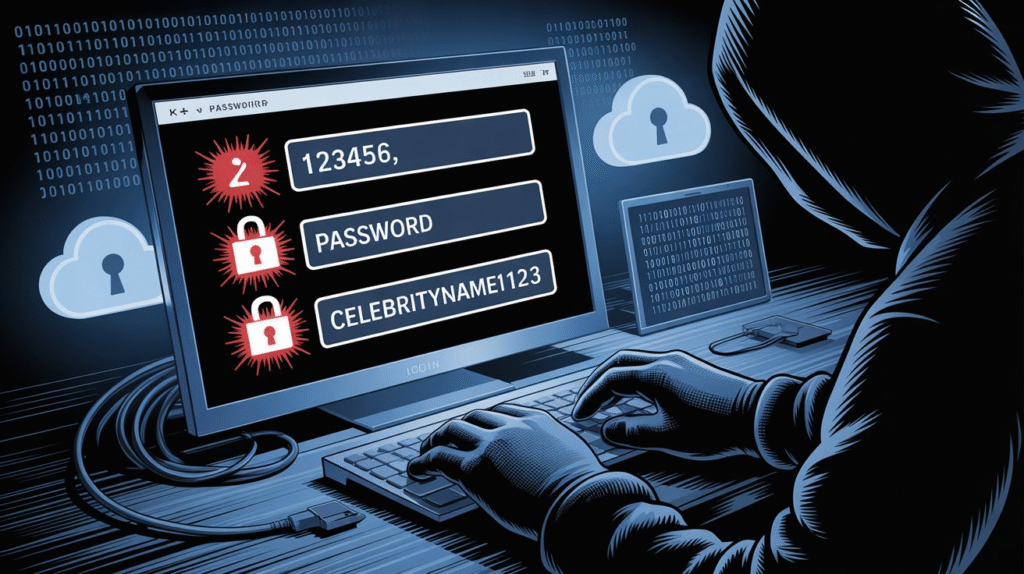
Another common attack method involved exploiting weak password practices among celebrities and their staff. Many high-profile individuals used easily guessable passwords based on personal information readily available online, such as pet names, birthdays, or career milestones.
Hackers would compile detailed profiles of their targets using information from social media posts, interviews, and public records. They would then attempt to log into various accounts using common password patterns. The process was time-consuming but remarkably effective, especially when combined with password reset questions that could be answered using publicly available information.
The Emma Watson photo leak occurred through this method, where attackers successfully guessed security questions related to her childhood and educational background. Once they gained access to her primary email account, they could reset passwords for connected services, including cloud storage platforms.
Cloud Storage Vulnerabilities
While tech companies have consistently denied systemic security flaws, the scale of these breaches suggests that cloud storage vulnerabilities played a significant role. At the time of the major 2014 incident, Apple’s iCloud service lacked comprehensive security measures that are now considered standard.
The most critical vulnerability involved unlimited password attempts through the iCloud API. This technical oversight allowed hackers to use automated tools to attempt thousands of password combinations without triggering security lockouts. Once successful, these hacked accounts provided access not just to photos, but to entire digital lives including messages, contacts, and location data.
Social Engineering Tactics
The human element proved to be the weakest link in many security breaches. Attackers would often target assistants, family members, or other individuals in celebrities’ inner circles who might have access to accounts or security information.
These cybersecurity for public figures breaches often involved phone calls from individuals claiming to represent tech companies or law enforcement. They would create fake emergency scenarios requiring immediate account access, exploiting the natural desire to help or comply with authority figures.
Who Was Affected by the Celebrity Photo Leak?
The victims of these Hollywood privacy breaches represented a cross-section of the entertainment industry, from established A-list actors to emerging social media influencers. The diversity of targets revealed that no level of fame or fortune provided adequate protection against determined attackers.
A-List Actresses
The most high-profile victims included some of Hollywood’s most recognizable faces. Jennifer Lawrence became the most visible spokesperson for victims’ rights following her experience, using her platform to condemn what she called “a sex crime.” Her courage in speaking openly about the violation helped shift public discourse from sensational gossip to serious discussion about consent and digital safety for celebrities.
Scarlett Johansson had previously experienced a Scarlett Johansson photo scandal in 2011, making her subsequent victimization in 2014 particularly cruel. Her case highlighted how repeat targeting had become a disturbing trend, with some celebrities facing multiple breaches over several years.
Other prominent victims included Kate Hudson, whose leaked images were particularly invasive as they included private family moments. The actress later spoke about the lasting psychological impact of having intimate moments with loved ones turned into public entertainment.
Rising Stars and Social Media Personalities
The attacks weren’t limited to established Hollywood royalty. Many victims were emerging actors, musicians, and social media influencers who were just beginning to build their public profiles. For these individuals, the celebrity privacy violations were especially devastating as they occurred during crucial career-building phases.
Amanda Seyfried represented this category, having recently transitioned from television to major film roles when her Amanda Seyfried private images were leaked. The timing of the breach coincided with important career opportunities, adding professional consequences to the personal trauma.
Male Celebrities
While female celebrities received the majority of media attention, male celebrities were also targeted in these attacks. Chris Evans experienced an accidental leak when he mistakenly posted private content to his Instagram story, but his case differed from the coordinated attacks affecting others.
The Chris Evans Instagram leak demonstrated how even unintentional exposure could create lasting digital footprints. Despite the accidental nature of his situation, the incident highlighted the permanent consequences of any private content entering public circulation.
International Targets
The scope of these high-profile data breaches extended beyond Hollywood to include celebrities from other countries and entertainment industries. British actress Emma Watson found herself targeted despite her generally private lifestyle and careful approach to social media.
The international reach of these attacks revealed the global nature of celebrity culture and the universal vulnerabilities created by cloud storage and social media platforms.
Impact on Victims’ Careers and Lives
The consequences for victims varied dramatically based on factors including their existing public image, career stage, and personal resilience. Some celebrities, like Jennifer Lawrence, successfully transformed their victimization into advocacy for online privacy concerns, while others retreated from public life entirely.
Many victims reported lasting psychological effects including anxiety, depression, and difficulty trusting technology or new relationships. The knowledge that their most intimate moments could resurface at any time created ongoing stress that extended far beyond the initial media coverage.
The professional impact was equally varied. While some celebrities experienced temporary career setbacks, others found that public sympathy actually increased their popularity and opportunities. This unpredictable outcome added another layer of uncertainty to an already traumatic experience.
The Broader Entertainment Industry Response
These celebrity hacking incidents forced the entire entertainment industry to reconsider how it protected its talent. Talent agencies began hiring cybersecurity consultants, publicists developed crisis management protocols specifically for digital breaches, and studios started including digital security measures in their standard contracts with performers.
The incidents also sparked important conversations about victim blaming and society’s consumption of non-consensual intimate content. Many industry organizations issued statements condemning the distribution of leaked materials and calling for stronger legal protections for victims of privacy violations.
Consequences and Prevention in the Digital Age
What Were the Consequences of the Celebrity Leaks?
The fallout from the widespread celebrity leaks extended far beyond individual embarrassment, creating lasting legal, technological, and cultural shifts. These incidents forced a global reckoning with online privacy concerns and the responsibilities of tech companies in safeguarding user data. The consequences reshaped how the public, legal systems, and corporations approach digital security.
Legal Actions and New Precedents
In the immediate aftermath, a wave of legal actions were initiated by the victims. Celebrities pursued civil lawsuits against the websites that hosted the stolen content and sought criminal charges against the hackers responsible. These high-profile cases established important legal precedents for treating digital privacy violations as serious crimes.
Law enforcement agencies, including the FBI, launched extensive investigations that led to the arrest and conviction of several individuals involved in the hacks. These prosecutions sent a clear message that anonymity on the internet does not grant immunity from the law. The legal battles highlighted the need for stronger legislation specifically designed for protecting personal data in the digital realm.
A Push for Stronger Cybersecurity
The leaks served as a wake-up call for the tech industry. Companies like Apple and Google, whose platforms were exploited, faced intense public backlash and scrutiny over their security protocols. In response, they implemented significant changes to better protect user accounts.
One of the most important changes was the widespread adoption of two-factor authentication (2FA). This security measure adds a second layer of protection beyond just a password, requiring users to verify their identity through another device. Tech companies began actively encouraging, and in some cases mandating, the use of 2FA for all accounts, making it much more difficult for unauthorized individuals to gain access. These events were a major catalyst for improving digital security measures across the board.
The Cultural Shift Around Digital Privacy
The public backlash against the leaks was a major cultural moment. While some individuals engaged in victim-blaming, a larger movement emerged in support of the celebrities. Advocacy groups and public figures spoke out, reframing the incidents not as embarrassing scandals but as severe privacy invasions and sex crimes.
This shift helped foster a more nuanced public conversation about consent and the ethics of viewing and sharing non-consensual intimate imagery. The events sparked a broader awareness of celebrity privacy rights and the importance of treating digital content with the same respect as physical property. The discussion moved from gossip to a serious examination of our collective responsibility in creating a safer online environment.
The Psychological Toll on Victims
Beyond the legal and technological consequences, the deepest impact was the psychological trauma inflicted upon the victims. Many spoke about feeling violated, anxious, and powerless. The constant fear that their private images could resurface at any moment created long-term emotional distress.
These celebrity hacking incidents highlighted the profound human cost of data breaches. The experience underscored the need for better support systems for victims of cybercrimes and brought mental health to the forefront of the conversation about online safety.
Preventing Data Leaks: A Guide to Digital Safety
While the threat of celebrity leaks may seem distant for the average person, the methods used by hackers can be applied to anyone. Protecting your personal information is crucial for everyone. Implementing robust cybersecurity for public figures and individuals alike is no longer optional. The following steps can significantly reduce your vulnerability to cyberattacks.
Fortify Your Passwords
Your first line of defense is a strong, unique password for every account. Avoid using easily guessable information like birthdays or pet names. A strong password should be at least 12 characters long and include a mix of uppercase letters, lowercase letters, numbers, and symbols. Using a reputable password manager can help you generate and store complex passwords for all your online accounts securely.
Enable Two-Factor Authentication (2FA)
As mentioned, two-factor authentication is one of the most effective tools for preventing data leaks. When you log in from a new device, 2FA requires you to provide a second form of verification, such as a code sent to your phone or generated by an authenticator app. This means that even if a hacker steals your password, they will not be able to access your account without physical access to your secondary device.
Recognize and Avoid Phishing Scams
Be skeptical of unsolicited emails, texts, or social media messages that ask for your personal information or login credentials. Phishing scams are designed to look legitimate, often mimicking communications from banks, tech companies, or even your contacts.
Here are some red flags to watch for:
- Urgent or threatening language that pressures you to act quickly.
- Poor grammar, spelling mistakes, or unusual formatting.
- Links that do not match the official website of the supposed sender.
- Requests for sensitive information like passwords or social security numbers.
Never click on suspicious links or download attachments from unknown senders. Always go directly to the official website to log in or verify any requests.
Secure Your Cloud Storage
Cloud services are convenient, but they are also prime targets for hackers. Review the security settings on your iCloud, Google Drive, or Dropbox accounts. Ensure that automatic backups are configured securely and that you understand what data is being stored. Consider encrypting highly sensitive files before uploading them to the cloud. Regularly reviewing which apps and devices have access to your cloud storage and revoking permissions for any you no longer use is a key part of online data protection.
Be Mindful of Your Digital Footprint
The information you share online can be used to your disadvantage. Be cautious about the personal details you post on social media platforms. Hackers can use this information to guess your passwords, answer security questions, or craft more convincing phishing attacks. Adjust your privacy settings on social media to control who can see your posts and personal information. Promoting digital safety for celebrities and the public starts with mindful online behavior.
Final Thoughts
The era of celebrity leaks has fundamentally transformed how we understand privacy, security, and digital rights in the modern world. These incidents serve as stark reminders that fame and fortune cannot shield individuals from the vulnerabilities inherent in our interconnected digital landscape. The psychological trauma experienced by victims, combined with the lasting damage to their personal and professional lives, underscores the severity of these privacy violations.
What emerged from these scandals was not just awareness of cybersecurity threats, but a broader cultural awakening about consent and digital ethics. The courage shown by victims who spoke out against these violations helped shift public discourse from sensational gossip to serious conversations about online privacy concerns and the fundamental right to digital security.
Frequently Asked Questions
What exactly happened during the 2014 celebrity photo leak?
The 2014 celebrity leaks, commonly known as “Celebgate” or “The Fappening,” involved hackers stealing and distributing approximately 500 private photos and videos of celebrities. The attack began on 4chan message boards in August 2014, with stolen content primarily obtained through targeted spear-phishing attacks and exploitation of Apple’s iCloud vulnerabilities. High-profile victims included Jennifer Lawrence, Scarlett Johansson, and Kate Hudson, among others. The incident marked the largest coordinated attack on celebrity privacy in internet history.
How were the celebrities’ photos actually stolen by hackers?
Hackers used multiple sophisticated methods to access private photos. The primary technique involved spear-phishing attacks where victims received convincing fake emails appearing to come from Apple or other tech companies, requesting password resets or account verification. When celebrities entered their credentials on fake websites, hackers gained access to their accounts. Additional methods included password guessing using publicly available personal information, exploiting cloud storage vulnerabilities that allowed unlimited login attempts, and social engineering tactics targeting celebrities’ assistants and family members.
Which celebrities were most affected by these privacy breaches?
The Hollywood scandals affected dozens of high-profile individuals across different career stages. Jennifer Lawrence became the most vocal victim, calling the incident “a sex crime” and advocating for stronger privacy protections. Other notable victims included Scarlett Johansson, who had experienced previous breaches, Kate Hudson, Emma Watson, and Amanda Seyfried. Male celebrities were also targeted, including Chris Evans, though his case involved an accidental Instagram post rather than hacking. The diversity of victims demonstrated that no level of fame provided adequate protection against determined attackers.
What legal consequences did the hackers face for these crimes?
The legal actions following these celebrity hacking incidents resulted in significant prosecutions. The FBI launched extensive investigations leading to multiple arrests and convictions. Notable cases include George Garofano, who received an eight-month prison sentence for his role in the 2014 breaches, and other hackers who received sentences ranging from several months to multiple years. These prosecutions established important legal precedents treating digital privacy violations as serious federal crimes, with courts recognizing the severe psychological and professional harm caused to victims.
How can people protect themselves from similar cyberattacks?
Preventing data leaks requires a multi-layered approach to personal data security. Essential steps include using strong, unique passwords for every account, enabling two-factor authentication on all services, recognizing and avoiding phishing emails, securing cloud storage settings, and being mindful of personal information shared on social media. Regular security audits of online accounts, using reputable password managers, and staying informed about emerging cybersecurity threats are also crucial. The same digital security measures that protect celebrities are equally important for ordinary individuals in our interconnected digital world.
What long-term changes resulted from these celebrity privacy violations?
These celebrity privacy violations catalyzed significant improvements in cybersecurity for public figures and the general public. Tech companies implemented stronger security protocols, including mandatory two-factor authentication and enhanced breach detection systems. The entertainment industry began incorporating digital security training and support into talent management practices. Legally, these incidents strengthened laws regarding non-consensual intimate imagery and established precedents for prosecuting cybercrimes. Culturally, they shifted public discourse toward recognizing digital privacy as a fundamental right and condemning the consumption of stolen private content.